A car wash can be run hands-off, but not owner-free. The honest answer to the question most investors are really asking is this: you can step back from the daily floor, but you cannot step away from the responsibility for staffing, oversight and maintenance. Those loads do not vanish when you stop showing up. They move onto someone else’s calendar, and you pay for that in wages, systems and attention. So the useful decision is not owner-operator versus absentee. It is deciding, item by item, what you will do yourself and what you will pay a manager and a machine to do for you.
The real question is what you are paying someone else to do
An owner-operator model concentrates the work in one person. You open the site, you handle the crew, you talk to customers, you catch the small faults before they become closures, and you keep the books. It is the cheapest structure on paper because you are the labour. It is also the most fragile, because the business depends on your presence and your energy.
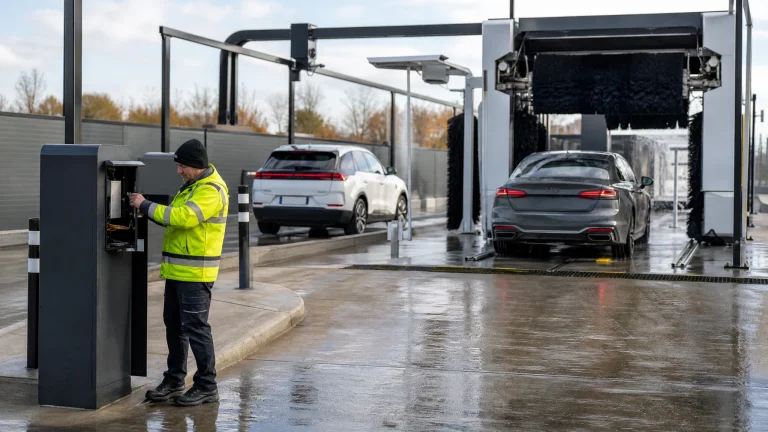
A hands-off model spreads that same work across a paid manager, remote monitoring and service contracts. Your job changes rather than disappears. You move from running the floor to running the numbers, checking the site, managing vendors and holding the manager to account. That is still real work, and it is skilled work, but it can be done from a distance if the structure underneath it is sound.
Format sets the floor for how hands-off you can be
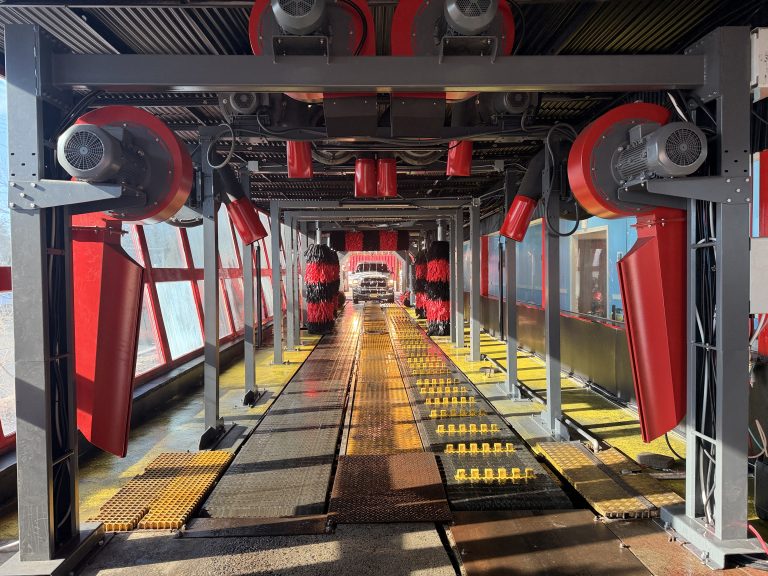
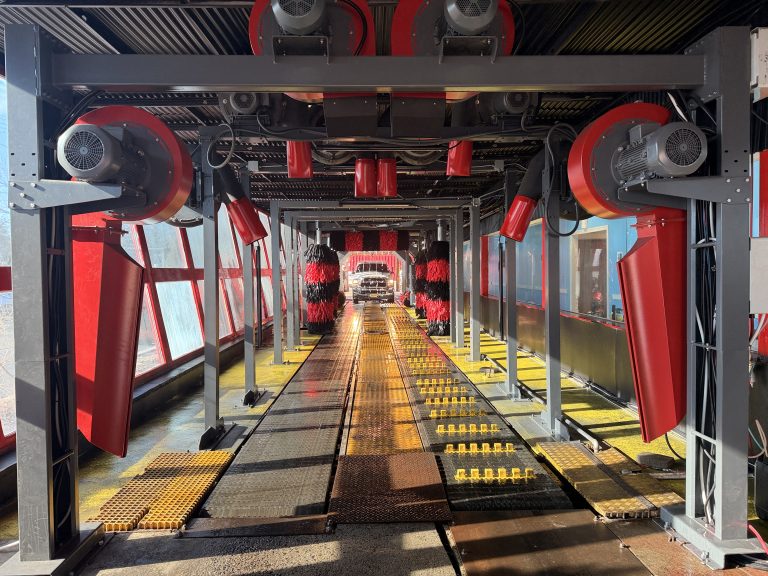
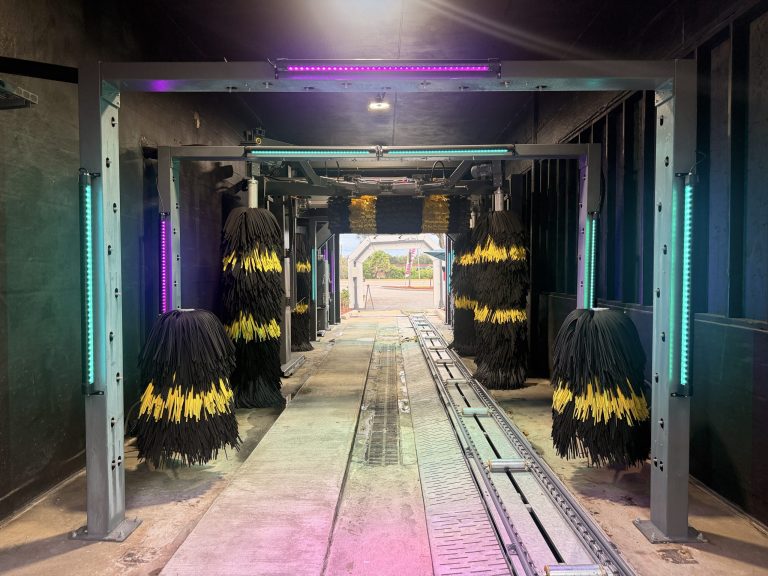
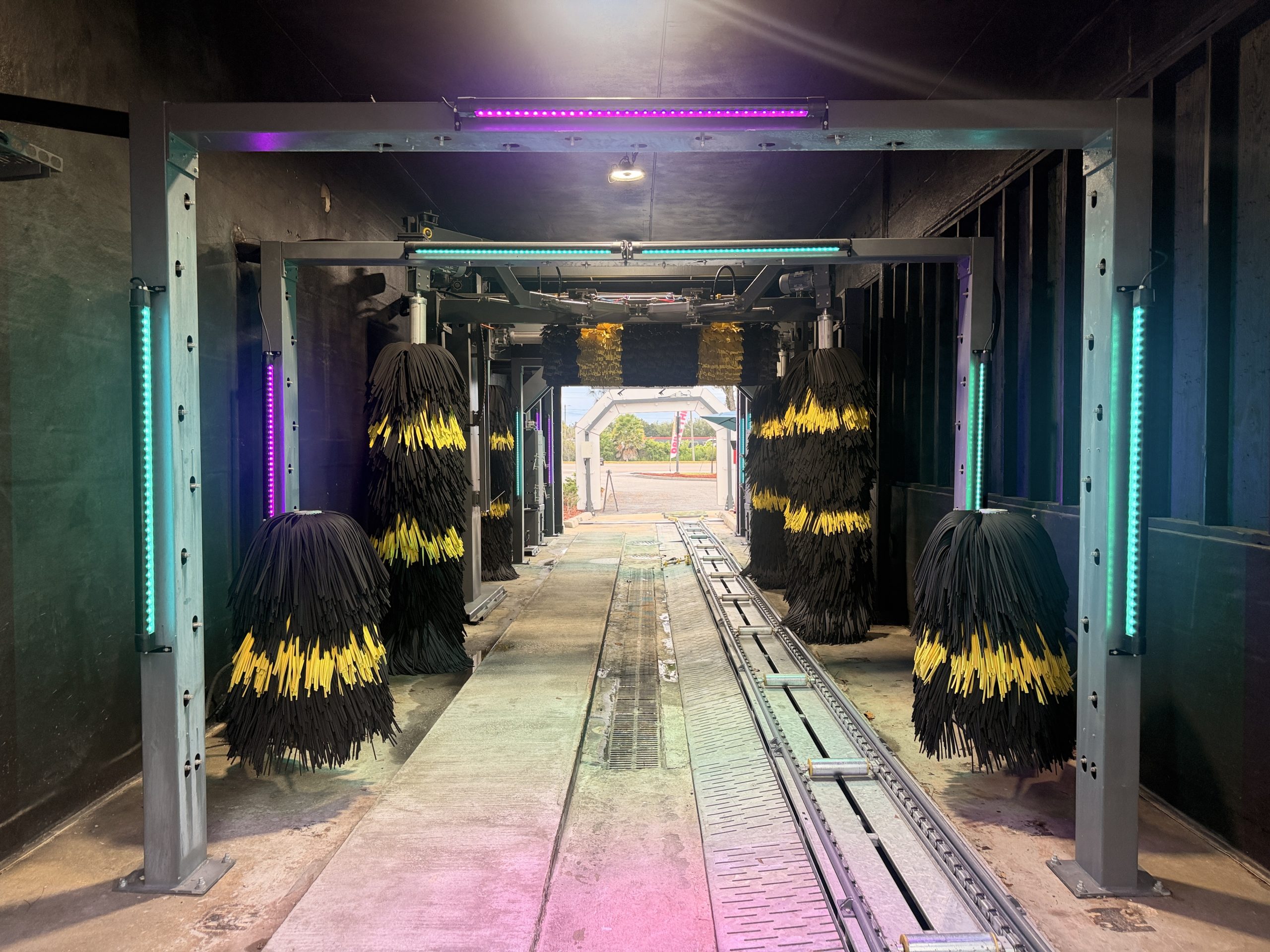
Before you decide how involved to be, look at what you are actually operating, because the machine sets the staffing pattern more than your preference does. Throughput is the clearest tell. A touchless rollover such as the Europe Makine Acrobat 2X washes three to five vehicles a minute of operating time, and a single unattended bay can run for long stretches with only periodic checks. A five-brush rollover like the Cirrus 5N averages twenty-four to thirty-two vehicles an hour wash-only, and around fourteen with drying. A conveyor tunnel washes and dries thirty to sixty vehicles an hour. Those higher-volume formats move more cars, but they also concentrate more customers, more chemistry and more moving parts into the same window, which pulls staff onto the site to load, guide and handle exceptions. The busier the format, the harder it is to run truly lean. A quiet in-bay automatic sits closest to hands-off. A high-volume tunnel is built around a crew.
If you want the staffing detail behind each of these, we set it out in who actually works at an automated car wash.
The three loads that never disappear
Whatever model you pick, three responsibilities stay on the books. You can delegate them, but you cannot delete them.
Labour
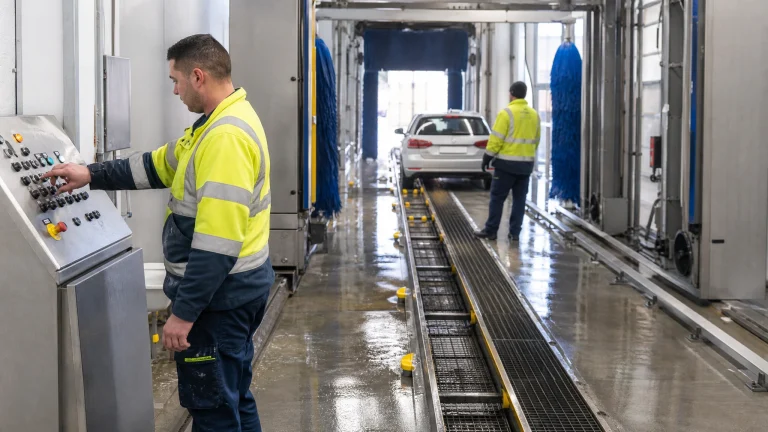
Even a well-automated wash runs on people, and people need hiring, scheduling, paying and supervising within the labour rules that apply to your state. If you are absentee, this becomes your manager’s core job, and your job becomes making sure that manager is competent and honest. The tunnel and high-brush formats carry the heaviest labour load because volume demands hands on the ground.
Oversight and compliance
A wash sits inside real regulation. Workplace safety rules, chemical handling, and water discharge and wastewater permits all apply, and they apply whether or not the owner is present. Automation reduces the number of people exposed to hazards, and water recycling reduces what you discharge, but neither removes the obligation to run the programmes, keep the records and pass the inspections. An absentee owner has to name who is accountable for this, in writing, or it quietly falls through.
Maintenance
Machines fail on their own schedule, not yours. A closed wash earns nothing, so the single most valuable thing any operating model buys is uptime. Owner-operators tend to catch faults early because they are there. Absentee owners have to engineer that early warning through monitoring and a service plan, and they have to fund the scheduled work that keeps a wash open rather than waiting for a breakdown. Reclaim and treatment systems in particular need their filters and media maintained on a calendar, or they stop protecting you.
Financing and franchising both expect an active hand
Two practical realities push against the idea of a purely passive wash. Lenders that fund fixed assets like buildings and equipment generally want to see an operating business with a real management plan, not a passive holding, so even a hands-off buyer usually has to document who runs the site day to day. And the franchise route, often sold as the easy path to hands-off ownership, comes with its own disclosure obligations and a long record of earnings claims being challenged. Read any projection sceptically and check what is actually contracted. If you are weighing the franchise or turnkey routes, our guide to questions to ask before signing a turnkey car wash agreement is a good starting point.
Where Europe Makine fits
Most of the difficulty in either model shows up at the start, before the wash is earning: choosing the right format for the site, getting the machine installed and calibrated, and building a crew that can run it. Europe Makine builds car wash equipment in its own 1,500 square metre facility with more than thirty years of manufacturing behind it, and it also builds turnkey car washes from a US base in Greenacres, Florida. The turnkey process secures the site, clears the permits, installs and calibrates the machines, hires and trains the crew, and hands over an operation that is already running. Machines ship with door to door delivery, free installation and a 12-month warranty. Ali’s Car Wash in Ocala, Florida runs on Europe Makine machines, was built through that same turnkey process, and is open to the public.
That head start matters for both models. An owner-operator inherits a wash that already works and a crew that already knows it. An absentee owner inherits a trained team and a calibrated machine, which is exactly the foundation a hands-off structure needs to stand on. If you want to talk through which format and which model fit your site, get in touch with Europe Makine.