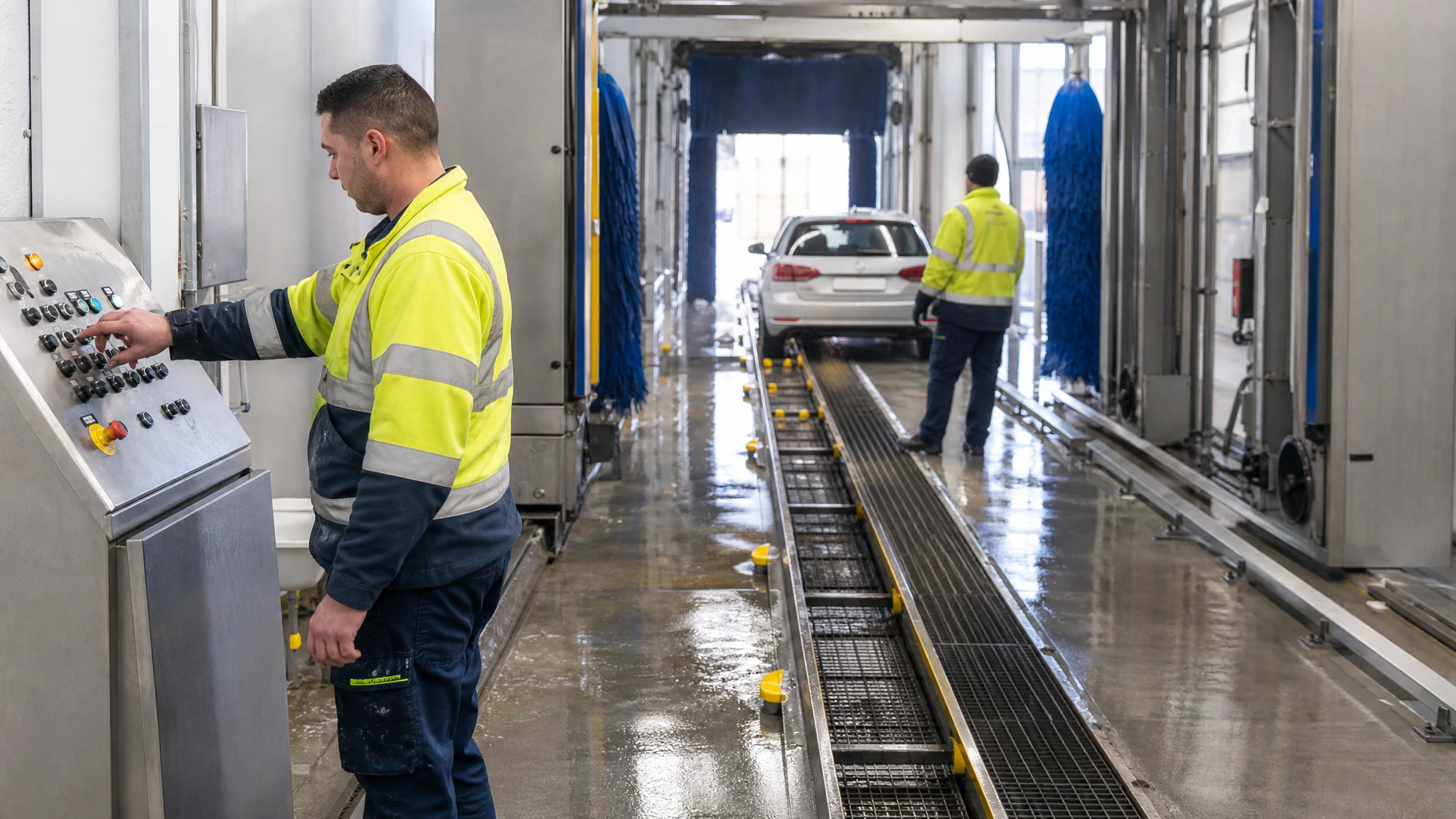
An automated car wash still needs people. Automation removes the hand scrubbing and the heavy repetitive labour, not the work of running a site: keeping the line fed, keeping the machines healthy, handling money, watching for hazards and managing the water that goes down the drain. A staffed tunnel or gantry wash typically runs on a small team of specific roles, not a single button-pusher and certainly not nobody at all. If you are pricing a wash, plan for those roles from the start.
The confusion is understandable. Unattended in-bay and self-serve formats can genuinely run with little or no on-site staff. The conveyor tunnel and rollover formats that most new owners actually buy are a different business. They carry a real staffing model, and the money you make depends on filling it properly.
The jobs are real enough to have federal codes
Wash work is not an informal add-on to a fuel station. US labour statistics track it as its own thing. The Bureau of Labor Statistics keeps an occupational code, 53-7061 Cleaners of Vehicles and Equipment, for workers who wash and clean vehicles using water, cleaning agents, brushes, cloths and hoses. It tracks a separate code, Automotive and Watercraft Service Attendants, for the attendant and forecourt roles. In other words, the federal statistics already treat the person on the wash line and the person at the pay point as two different jobs.
Safety is treated the same way. The Occupational Safety and Health Administration classifies car washes under SIC code 7542, and it has run a formal alliance with the International Carwash Association aimed at reducing slips, trips and falls, improving hazard communication and making vehicle movement around the site safer. A wet floor with moving cars is a workplace, and someone on your team has to keep it a safe one.
The roles, and what each one actually does
A staffed automated wash usually fills a handful of distinct roles. On a small site one person may cover two of them; on a busy one each role may need several people across a shift. The point is the functions, not a fixed headcount.
Site manager
The manager opens and closes, sets the rota, handles cash and card reconciliation, manages memberships and pricing, orders chemistry and deals with the problems the crew cannot. On a single-site independent wash this is often the owner. As soon as you are not on site every hour, this role has to belong to someone.
Sales and greeter at the pay point
This is the person selling the upgrade, signing up unlimited plans and directing traffic into the correct lane. Membership revenue is where modern washes make their margin, and it is won here, one conversation at a time, not by the machine.
Line loaders and prep staff
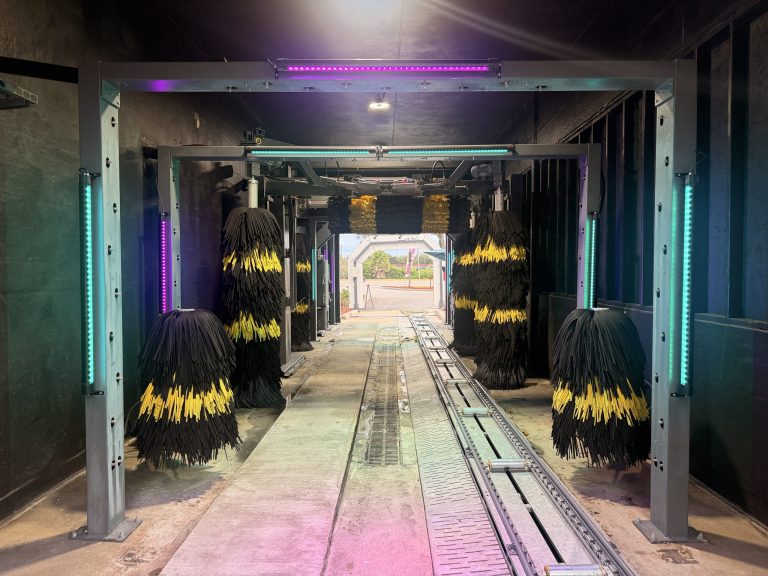
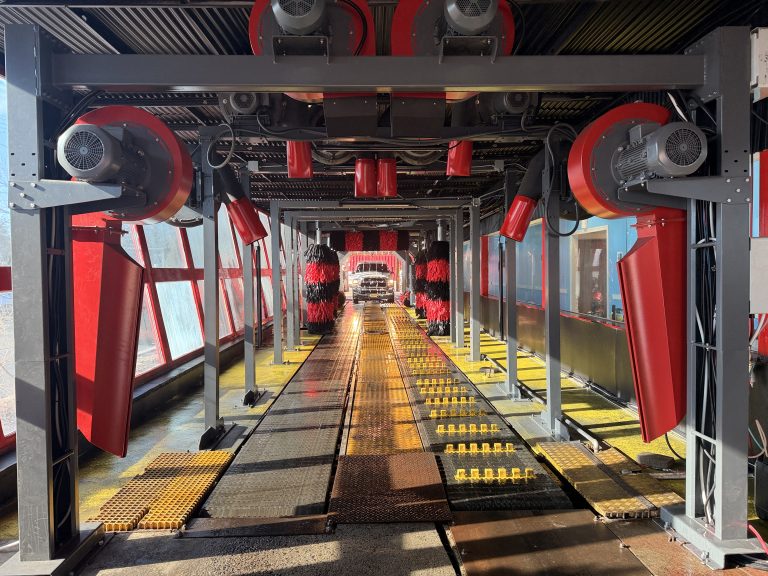
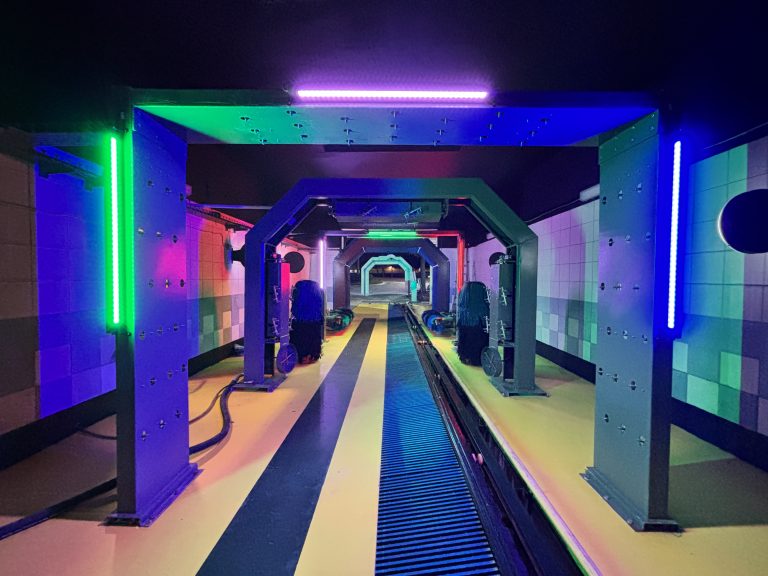
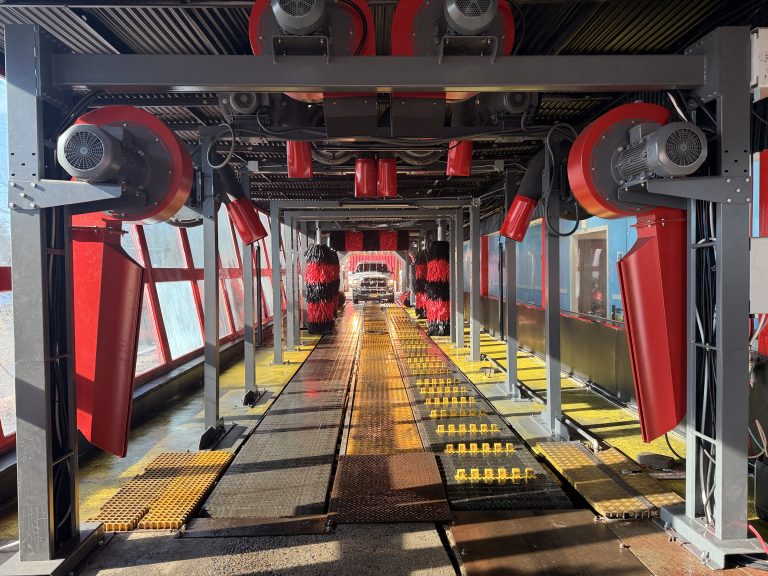
Loaders position vehicles onto the conveyor or line them up for the gantry, and prep staff pre-spray wheels and heavy soiling before the car reaches the equipment. This is where throughput is won or lost. A Europe Makine conveyor tunnel is built to wash and dry 30 to 60 vehicles an hour, and a Cirrus 5N rollover averages 24 to 32 vehicles an hour wash-only. Those figures are only real if the line stays fed. A machine idling between cars because nobody is loading it is a machine washing far below its rated rate.
Detail and finishing attendant
On sites that offer hand finishing, this attendant handles wheels, interior vacuuming, glass and the hand-touch items the machine does not reach. It is the difference between a wash and a full-service clean, and it is the part customers judge most closely.
Wash technician and maintenance
This is the role owners most often forget when they hear the word automated. Someone has to check chemical dosing, clear the pumps, keep the brushes and dryers in good order and look after the water recycling system. The EPA’s own guidance is blunt on this: water reclaim systems, which offer the biggest water savings, require additional maintenance to clean filters and other components. Reclaim is not a fit-and-forget feature. It is a standing task. A sensible maintenance schedule is what keeps the wash open, and it needs a named person behind it.
The heavy vehicle and rail step-up
Wash a fleet of trucks, tankers, buses or rail vehicles and the role set grows, because the compliance burden grows. The EPA’s Transportation Equipment Cleaning Effluent Guidelines regulate the wastewater from cleaning the interiors of tank containers carried on trucks, rail cars, barges and ships. A depot that handles that kind of work needs someone responsible for sampling, recordkeeping and discharge compliance, on top of the bay operators and the staff trained to marshal large vehicles safely. This is one of the reasons heavy vehicles need their own wash system, and their own staffing plan to match.
So how many people is that?
There is no single right number, and anyone who gives you one without seeing your site is guessing. What matters is that you plan for functions, not for a myth. A quiet in-bay rollover might genuinely run near-unattended. A busy conveyor tunnel with hand prep and a membership programme will not. Automation lets you move labour off the miserable, repetitive scrubbing and onto the roles that actually make money and keep the site legal and safe: selling, loading the line, watching the equipment and managing the water. It reshapes the team. It does not delete it.
Where Europe Makine fits
Europe Makine has more than 30 years of manufacturing experience and builds five wash systems in its own facility, from touchless and brush rollovers to conveyor tunnels and heavy vehicle washes. When it builds a turnkey wash, staffing is part of the handover, not an afterthought. Europe Makine secures the site, clears the permits, installs and calibrates the machines, hires and trains the crew, and hands over an operation that is already running. That last part matters for the subject of this article: a new owner takes on a team that already knows how to load the line, dose the chemistry, look after the reclaim system and keep the floor safe. Its own turnkey wash, Ali’s Car Wash in Ocala, Florida, runs on that model and is open to the public.
If you are deciding between buying machines and buying a turnkey wash, staffing is one of the real differences between the two paths, so it is worth putting on the table early. To talk through a wash and get a quote, contact Europe Makine at europemakine.com/contact.