Wash water recycling captures the water a car wash has already used, treats it, and returns it to the wash so you buy less fresh water. According to the US Environmental Protection Agency, a reclaim system at its most basic separates grit, oil and grease from used water, which is enough to reuse that water during the rocker and undercarriage stage. For a high-volume site washing hundreds of vehicles a day, that reuse is the difference between a utility bill that grows with your queue and one that holds steady.
This article explains how reclaim systems work, how much water they recover, what they cost as a reference point, and how they help you meet discharge rules. The figures come from EPA and International Carwash Association (ICA) sources, cited where used.
How a reclaim system actually treats the water
Think of reclaim as a series of stages, each cleaning the water a little more. The EPA’s WaterSense guidance on vehicle washes sets out the principle: at a minimum, a reclaim system should separate grit, oil and grease from the wash water. That level of treatment is sufficient for reusing water during the undercarriage wash, where spot-free finish is not a concern.
To reuse water further into the wash cycle, you need more treatment. The same EPA guidance lists oxidation, filtration, membrane filtration and deionisation as the additional steps that make reclaimed water suitable for more of the washing process. The further forward in the cycle you want to reuse water, the cleaner it has to be.
A working example makes this concrete. An ICA trade report describes how one high-volume operator, WOW Carwash, handles it: all water from the wash enters a 1,500-gallon underground mud tank that begins separating soils, then passes through a series of four sand and oil separators where oils float and soils sink, after which the cleaned water is pumped through a series of UV and micron filters. That operator reports reclaiming up to 80 percent of its water while using about 30 gallons per vehicle, as reported in a June 2026 carwash.org article. These are a single operator’s figures, but the treatment train they describe matches the stages EPA sets out.
How much water you can recover
This is the number most operators want. The EPA, drawing on ICA’s studies, reports that vehicle wash facilities can reduce their fresh water use from 50 percent to as high as 83 percent by using a water reclamation system. A companion EPA document, WaterSense Section 5.5 on vehicle washing, gives a more cautious average: facilities using reclamation were able to meet 51 percent of their water needs, on average, from reclaimed water, so roughly half of fresh water use can be displaced.
The baseline those savings come off is substantial. The EPA’s Section 5.4 guidance reports that, without reclaimed water, conveyor washing can use 65.8 gallons per vehicle during friction washing and 85.3 gallons per vehicle during frictionless washing. When you multiply either figure across a busy day, the case for recovering half or more of it is straightforward arithmetic.
An older but still-published EPA case study shows the effect at a real chain. The study of H.E.B.’s car washes in San Antonio, dated 2017, notes that a typical touchless car wash can use more than 100 gallons of water per car. After fitting reclaim and reverse osmosis systems, the operator saved an average of 30 gallons of water per car, which the EPA puts at more than 11 million gallons annually; a later upgrade to the reverse osmosis units saved 34 gallons per car, close to 13 million gallons a year. Treat those as dated figures from that one operator, not a current benchmark, but they show the scale that reuse reaches at volume.
Which wash formats suit reclaim
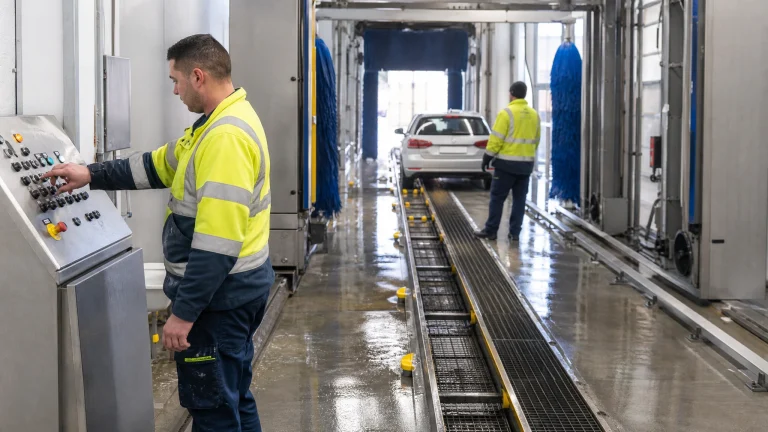
The EPA’s Section 5.5 guidance states plainly that water reclamation systems are appropriate for conveyor and in-bay vehicle washing. Those are the formats that run high throughput and consume water continuously, which is exactly where recovered water earns its keep. The more vehicles you push through per hour, the more fresh water a reclaim system displaces, and the faster the economics work.
What it costs as a reference point
Figures vary with site size and how far into the wash cycle you want to reuse water. As a single published reference point, the EPA’s Section 5.5 guidance notes that water reclamation systems might cost around $35,000 for equipment and installation. Treat that as an order-of-magnitude figure from EPA rather than a quote; your own cost depends on throughput, the number of treatment stages and local plumbing. (Currency here is US dollars, as stated in the EPA source.)
The compliance angle: discharge rules and stormwater
Reclaim is not only about the water bill. It also keeps you on the right side of discharge rules. The EPA’s stormwater guidance for vehicle maintenance and washing notes that commercial car wash facilities minimise stormwater impacts and are safer than residential washing because they often recycle their water or must treat their wash water before releasing it to the sanitary sewer. That same document gives one local example: Fairfax County, Virginia has a stormwater ordinance that prohibits unpermitted commercial car wash water from entering storm drains. That is a single county, not a national rule, but it shows that local jurisdictions do regulate where your water goes.
At the federal level, a regulatory framework exists for cleaning operations through the EPA’s Transportation Equipment Cleaning Effluent Guidelines, which are incorporated into NPDES permits for direct dischargers and applied through permits or other control mechanisms for indirect dischargers. That is a broad category and the page does not publish car-wash-specific numeric limits, so the point to take from it is that a permitting and pretreatment structure is in place. A reclaim system reduces the volume of water you discharge in the first place, which simplifies meeting whatever discharge conditions apply locally.
One technical note on reclaimed water
Reusing water concentrates what is in it. A December 2002 ICA study on water effluent and solid waste characteristics found that car washes with reclaim systems averaged higher concentrations of oil and grease in their grit than those without. That is a dated, technical finding, but it carries a practical lesson: a reclaim system needs its separation and filtration stages maintained, and its collected solids disposed of properly, or the contaminants it concentrates will cause problems downstream.
Where Europe Makine fits
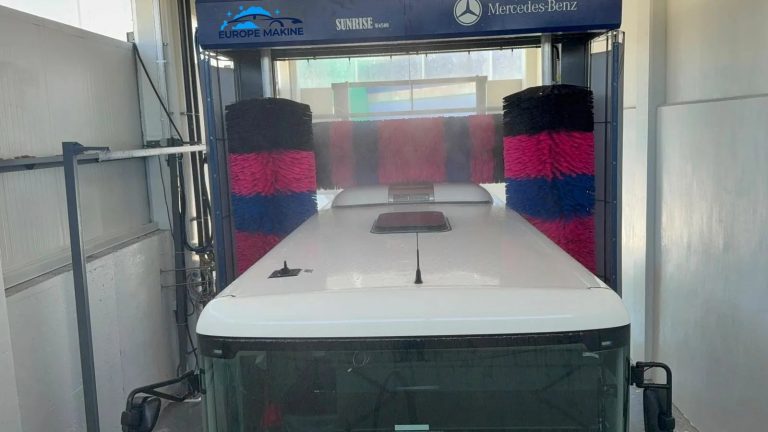
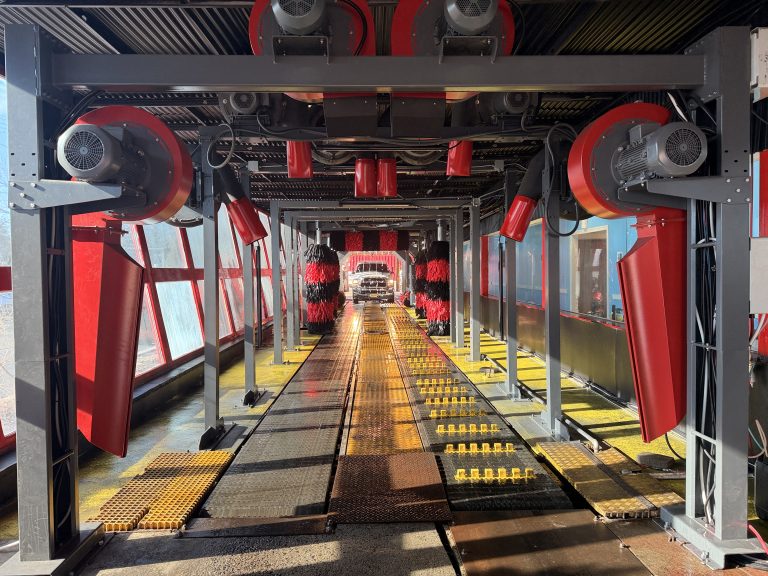
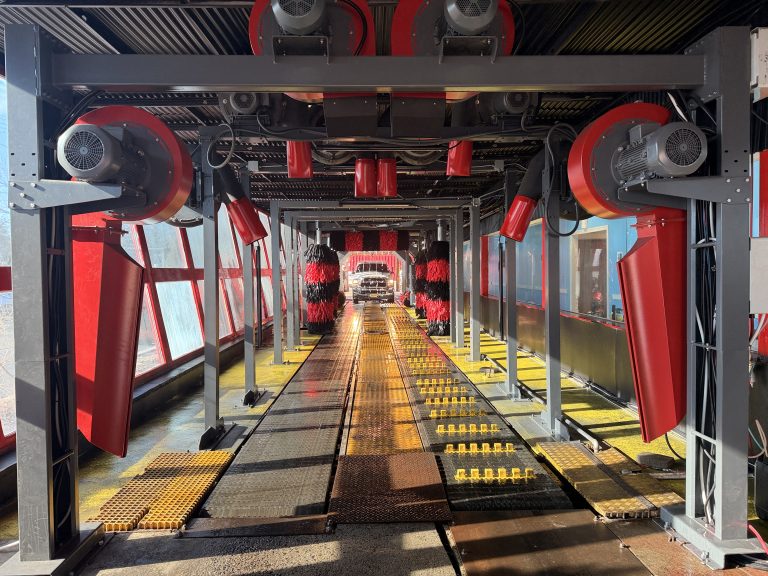
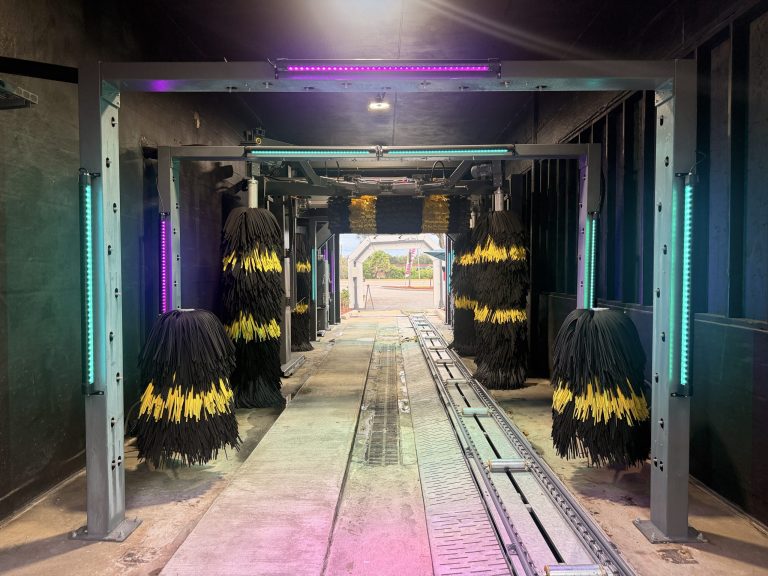
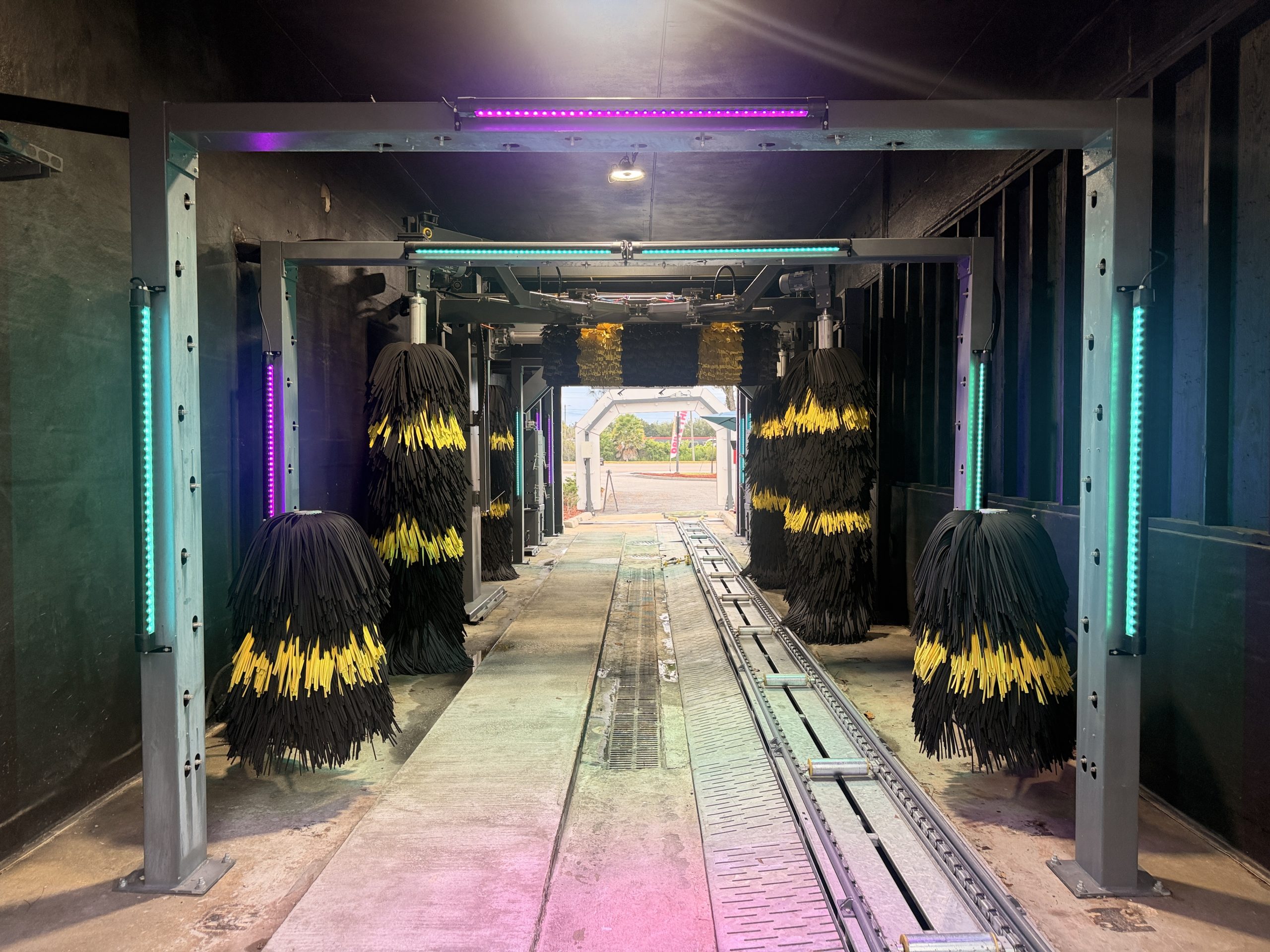
Europe Makine manufactures rollover and conveyor tunnel systems, the in-bay and conveyor formats that EPA and ICA identify as suited to water reclamation. Its conveyor tunnel washes and dries 30 to 60 vehicles per hour, the kind of throughput where recovering half or more of your fresh water changes the running cost of the site. Europe Makine also builds turnkey washes, handling the site, permits, installation and crew training, which is where the discharge and permitting questions above get settled before you open. The reclaim treatment described here is set out in the EPA and ICA sources cited, not claimed as a specific feature of any one machine; specify your water recovery requirement as part of the build so it is designed in from the start.