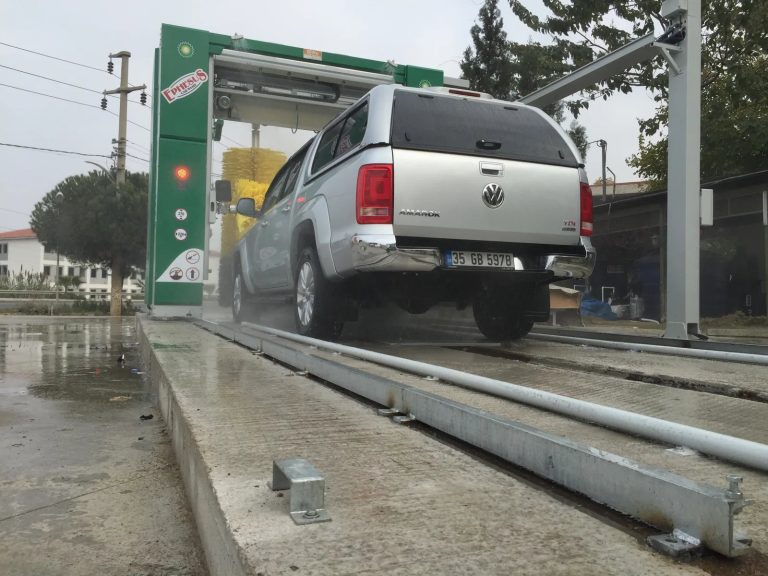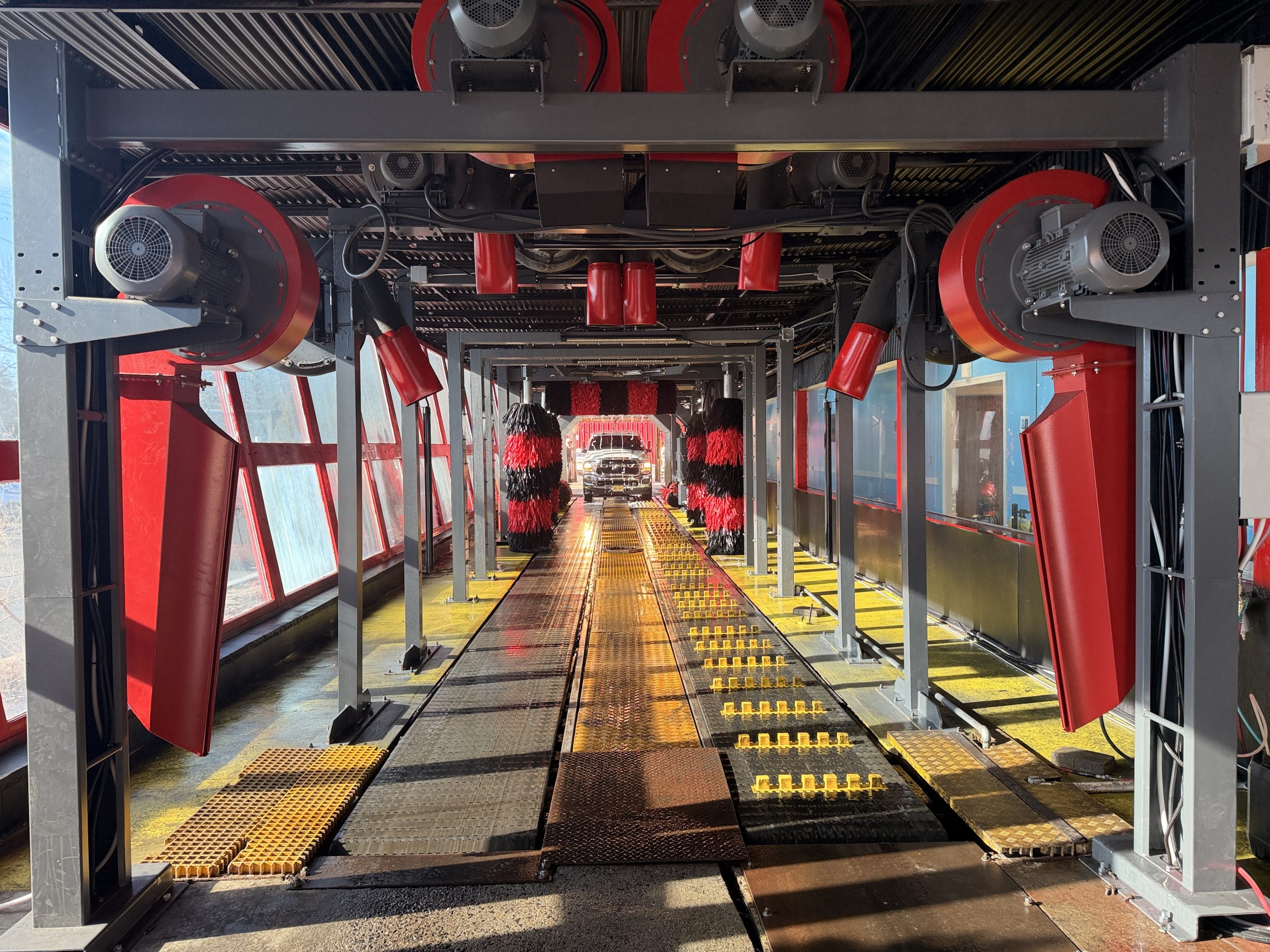
The most reliable way to prevent car wash downtime is a fixed set of small checks done on the same days by the same accountable person, before a fault grows into a closed bay. A good car wash maintenance schedule is not a thick manual. It is a short daily walk-round, a deeper weekly look at the moving and chemical parts, and a monthly or seasonal inspection of the items that wear slowly. Do those consistently and most breakdowns announce themselves early, while you can still book a repair around quiet hours instead of losing a Saturday morning.
Why a schedule beats reacting
An unplanned failure is expensive twice over. You lose the revenue from every car that turns away, and you lose the trust of regulars who find the bay taped off. Published throughput only counts when the machine is actually running. A conveyor tunnel rated to wash and dry 30 to 60 vehicles an hour, or a five-brush rollover averaging 24 to 32 vehicles an hour wash-only, earns nothing during the hours it sits idle waiting for a part (Europe Makine throughput figures). That gap between the rated number and the real number is almost always downtime, not the machine. If you want to understand how those figures translate into a working day, we cover it in what throughput figures actually mean.
Scheduled maintenance also lengthens the life of the machine. Bearings, seals and belts fail gradually. Caught early they are a cheap planned swap. Ignored they take other components with them.
Daily checks: the pre-opening walk-round
Before the first car, one person walks the bay with a fixed list. It takes a few minutes and prevents most bad mornings.
- Look over brushes or cloths for tears, flat spots or excessive wear.
- Check spray nozzles and jets for blockages or a weak fan pattern.
- Inspect arches, gantries and rails for physical damage or anything loose.
- Confirm chemical and soap levels, and that dosing pumps are primed and not leaking.
- Test emergency stops and safety sensors before any vehicle enters.
- Confirm water pressure sits in the normal operating range, with no visible leaks at hoses and fittings.
- Empty debris traps and screens that catch grit and leaves, so pumps are not starved or clogged.
Anything failed here gets logged and fixed before opening, or the bay stays shut until it is. That discipline is what keeps small faults from becoming emergencies.
Weekly wash machine maintenance
Once a week, set aside a longer slot for the parts you cannot judge at a glance. This is the core of ongoing wash machine maintenance.
- Inspect drive belts and chains for correct tension and signs of wear.
- Check and top up lubrication points listed in the machine’s own service schedule.
- Clean the photo-eyes and sensors that trigger the wash cycle. Dirt build-up is a common cause of false stops and misread vehicles.
- If a water reclaim or recycling system is fitted, check its filters. Blocked filters reduce wash quality and strain the pumps.
- Read the electrical panel for warning lights or fault codes logged during the week, and note anything recurring.
Keep a note of what you find each week. A sensor that needs cleaning every few days, or a belt that keeps loosening, is telling you something a single inspection would miss.
Monthly and seasonal checks
These are the slow-wear items and the weather-driven ones.
- Deep-inspect brushes and cloths for uneven wear, which usually points to misalignment rather than age.
- Check pump seals and bearings. These fail gradually, so a scheduled look catches them before they strand you.
- Review the compressor and pneumatic lines for pressure loss.
- Before winter, check heating elements and frost protection on exposed pipework and any drain lines prone to freezing.
- Before summer, check for chemical concentration changes, since heat can drive evaporation and alter dosing.
- Book a full service by the manufacturer or an authorised technician at the interval set in your machine’s documentation. That interval varies by machine, so follow the manual rather than a generic figure.
Seasonal work ties closely to how your site is built. Drainage that copes in autumn leaf-fall, and a power feed sized for the machine, both reduce the load on the equipment itself. If you are still planning a site, reading a site before choosing a machine explains the drainage and power questions worth settling early.
A simple log you can hand to staff
The schedule only works if it is written down and owned. A single sheet is enough:
- Three columns: daily, weekly, monthly and seasonal.
- Each check listed as a line with a tick box and space for a note.
- A name and a date at the bottom, so it is clear who did it and when.
- A spot to flag anything that needs a technician, with the date it was reported.
Kept on a clipboard by the panel or in a shared file, this log becomes your early-warning system. Patterns show up across weeks that no single glance would reveal, and a new crew member can follow it without guesswork.
When to call a technician, and when not to
Cleaning sensors, topping up chemical, clearing debris traps and checking belt tension are in-house jobs for a trained operator. Work inside electrical panels, pump rebuilds and anything involving stored energy is not.
In the US, work on machinery that could start unexpectedly or discharge stored energy is governed by OSHA’s control of hazardous energy rules, so power must be isolated and locked off before anyone opens a panel (OSHA lockout/tagout standard). Readers outside the US should follow their own workplace-safety authority, for example the HSE in the United Kingdom. The principle holds everywhere: if a machine can move or shock while you work on it, isolate it first, and if you are not the qualified person, call one.
Your wastewater is also a compliance matter, not just a plumbing one. In the US, car wash discharge falls under EPA industrial wastewater rules, and what applies depends on your discharge volume and locality (EPA industrial wastewater guidance). Elsewhere, follow your local wastewater-discharge rules. Either way, a blocked reclaim filter or a failing separator is both a maintenance problem and a regulatory one, which is another reason it belongs on the weekly list.
Heavy vehicle washes carry their own maintenance nuances, from larger brush assemblies to higher water volumes and heavier soiling. If you run one, treat it as a different machine with a different schedule rather than a scaled-up car wash, as we set out in why heavy vehicles need their own wash system.
Where Europe Makine fits
Europe Makine builds its five wash systems in its own facility and, in the US, delivers complete turnkey car washes, including installing and calibrating the machines and training the crew who will run the daily walk-round. Every machine ships with a service schedule written for that model, which is the schedule your log should follow. If you want the maintenance intervals for a specific system, or parts and service support, you can reach the team through the Europe Makine contact page.