Ceramic car wash packages are the premium menu options on a tunnel where, once the car has been cleaned, an extra applicator puts a ceramic-infused chemical on the paint, and a drying stage and a glass treatment follow. You sell the package by making the result visible, describing it in plain words, and limiting every claim to what your chemical supplier can document. This article explains what the tunnel applies, where in the sequence it goes, how to place the tier on your menu, and how to word it so that it stays honest.
One caution before we start. We found no independent US source giving ceramic take rates, price premiums, ticket lifts, payback times or how long a tunnel-applied ceramic product lasts. This article contains none of those figures. Be wary of anyone who quotes them without showing where they come from.
A ceramic step is one more station on a clean car
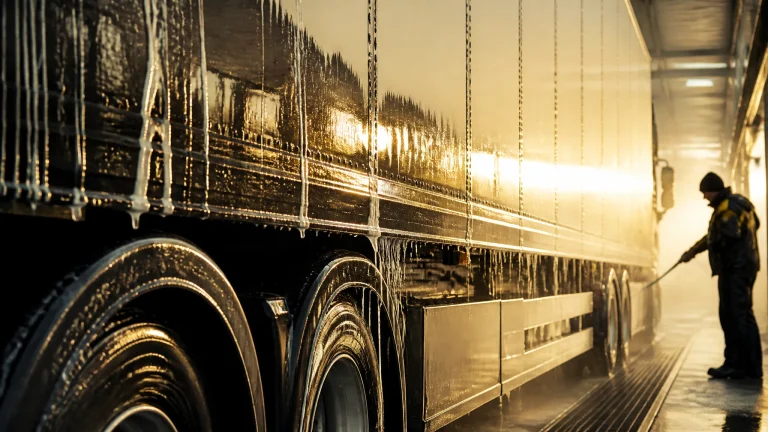
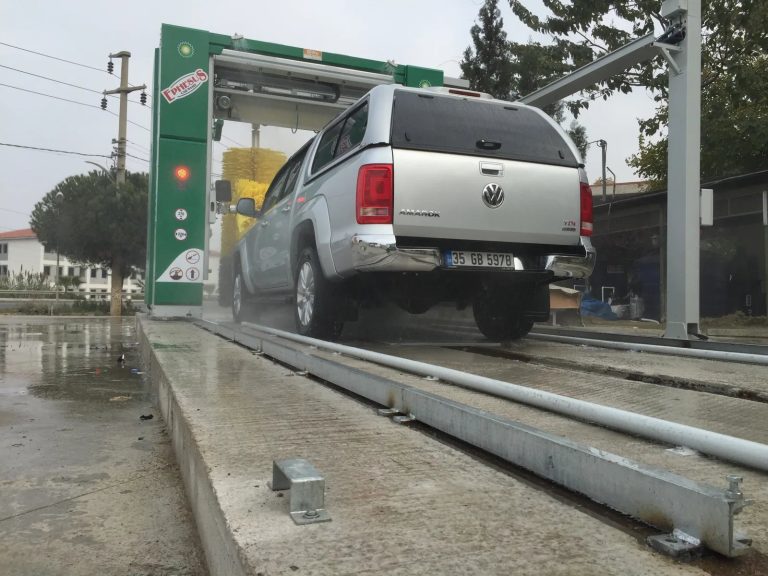
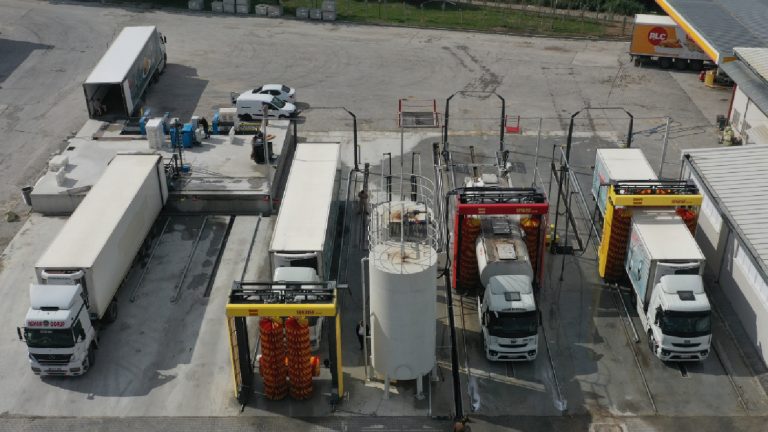
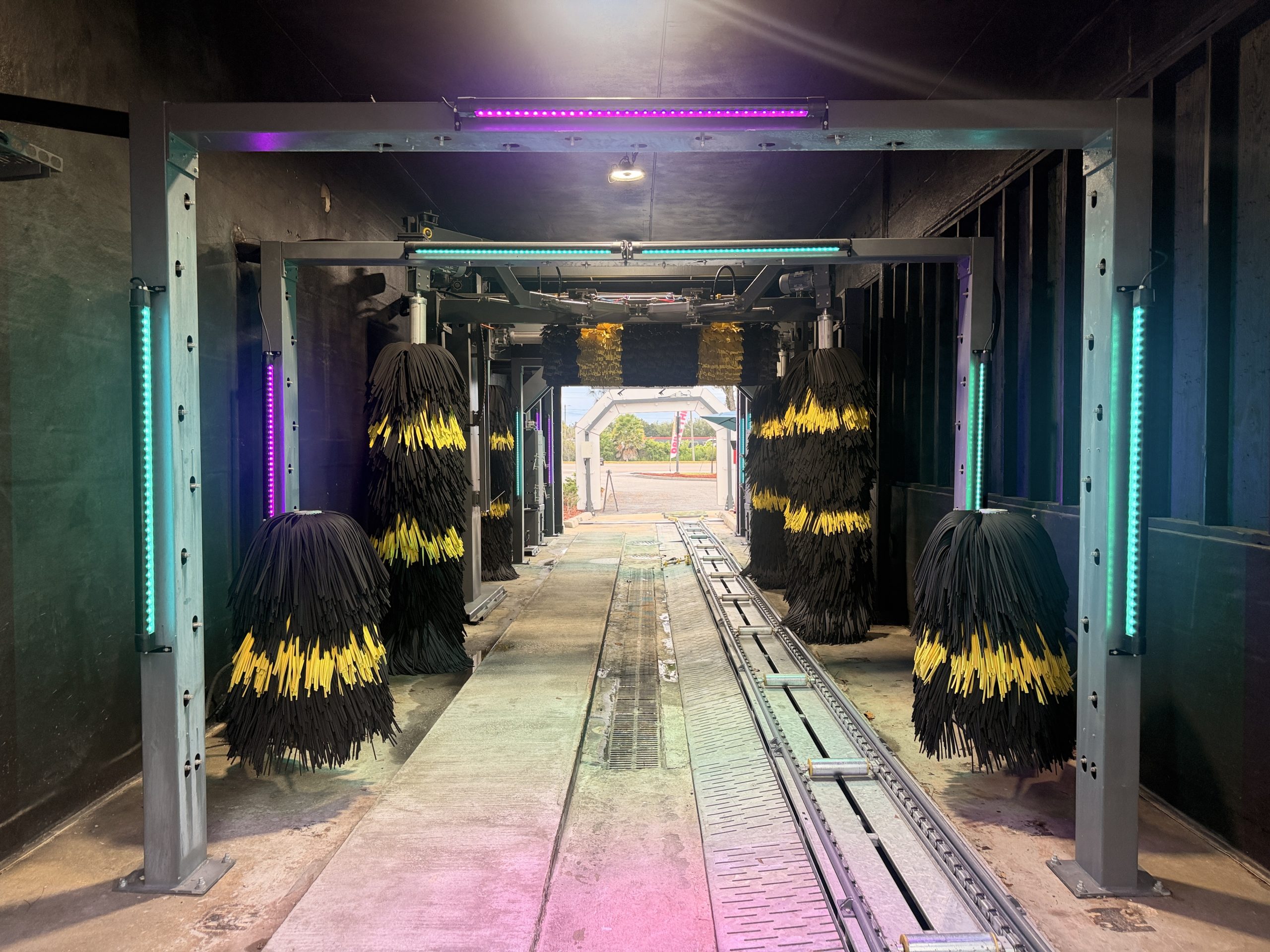
A conveyor tunnel pulls vehicles through a series of stations. The US Environmental Protection Agency’s WaterSense guidance on vehicle washes (the November 2023 file version) describes conveyor systems in just those terms: vehicles are pulled on a conveyor belt through a washing tunnel made up of a series of stations. Each station does its own part of the job.
That layout is what makes a ceramic package possible. The ceramic step is not a different kind of wash. It is one more station, with its own applicator and its own chemical, placed at the point in the sequence where the car is ready to receive it.
Because it is an addition to the line rather than a separate machine, a ceramic package is as much a menu decision as an engineering one. The tunnel has to apply the product properly, and the menu has to describe it truthfully. The rest of this article takes those two jobs in turn.
What a chemical supplier says the step involves
The clearest description we could find comes from a chemical supplier’s own product announcement, published as a supplier news item on the International Carwash Association site. The page shows no date. Treat it as one supplier describing its own product, not as independent proof that the product performs as described. We have left the supplier and product unnamed on purpose, because the process is what matters here.
According to that description:
- The ceramic-infused process runs in three steps and is applied after the wash, prime and rinse steps have removed surface contaminants.
- The ceramic product goes on through an additional applicator in the tunnel’s online application.
- A drying stage follows, and then a rain-repellent step on the glass.
- The supplier presents the result as a higher per-ticket premium wash option, and claims water repellency, a self-cleaning effect and longer-lasting shine.
Read that carefully and notice what is a process fact and what is a claim. The order of the stations, the extra applicator, the drying stage and the glass treatment describe what the tunnel does. Water repellency, self-cleaning and shine are the supplier’s statements about the outcome. Both belong in your understanding of the package, but only the first group is something you can check by walking the line.
Why the order of the tunnel matters
The supplier’s description puts the ceramic step after the surface has been cleaned. That is sensible on practical grounds. A treatment applied over road film has nothing clean to sit on, so the earlier steps are doing quiet work for the ceramic step. If the pre-soak, cleaning and rinse stages are tired or badly set, the premium package will show it before the standard one does.
This has a direct consequence for how you sell. The ceramic tier is not a stand-alone product. It is the end of a sequence, and it is only as good as the cleaning before it. If you plan to put a premium label on the final step, check the whole run first: coverage, rinse quality and drying. It is cheaper to find a weak station before launch than to hear about it from customers.
The same logic applies to drying. The supplier lists a drying stage after the ceramic product goes on. Whatever your supplier’s instructions say about how the product should be dried or rinsed, follow them as written, and make sure your dryers are up to it. A car leaving the tunnel half wet and streaked does not show off any chemistry.
The selling moment is water on the paint
The supplier’s headline claim is hydrophobic water repellency. In practice that means water beads and runs off instead of sheeting and clinging. Customers understand that without any explanation, because they have seen it on a freshly waxed car or in the rain.
That makes beading the natural selling moment. It is visible, it happens at the exit or on the drive home, and it needs no technical vocabulary. The glass treatment works the same way: rain that clears off the windscreen is something a driver notices without being told.
Build the offer around what the customer will see rather than around the chemistry. Describe the visible result in a sentence they can read at the pay point or from the lane: water beads off the paint, rain clears from the glass, the finish looks glossy. Those are observable things. Words about permanence or protection are a different matter, and we deal with them in the section on claims below.
Where you can, show it. A small demonstration panel, a short video at the pay point or a staff member pointing at a recently finished car all do more than an extra line of menu text. If you use a demonstration, make sure it is a fair one and that the cars shown have actually been through your tunnel.
Name the tier plainly and keep the menu short
Customers decide quickly at a pay point. A menu with several overlapping premium tiers makes the decision harder, not easier, and the person at the front of the queue is the one who pays for the hesitation. A single clearly labelled ceramic tier, sitting above the standard options, is easier to understand than three that differ by small details.
When you write the line that separates the ceramic tier from the one below it, aim for one sentence on what is physically different and one on what the customer will notice. The first is a fact about your tunnel: for example, that an additional applicator puts a ceramic-infused product on after the car has been cleaned, followed by drying and a glass treatment. The second is the visible result. Keep both within what your supplier’s documentation supports.
Be consistent across every place the offer appears: the lane sign, the pay point, the website, the app and anything staff say out loud. Inconsistent wording is one of the quickest ways to drift into a claim you did not mean to make. If the sign says one thing and the website says another, the stronger version is the one a regulator or an unhappy customer will quote.
Use customers’ pricing flexibility, but only with visible value
There is some evidence that the market has room for a clearly explained premium option. The CAR WASH Pulse Q1 2026 survey from the International Carwash Association covers US consumers, retailers and suppliers. It reports that nearly 79% of car wash customers say they would be amenable to a price increase, while roughly half of retailers feel constrained about raising rates. It also says willingness to pay more stays tied to perceived value and wash quality.
Two cautions about reading that. First, the survey does not mention ceramic. It tells you something general about customers’ attitude to price, and nothing about demand for ceramic packages specifically, so do not treat it as a forecast for this tier. Second, the finding that willingness to pay depends on perceived value is the part that matters for your menu. A customer who can see why the top tier costs more is more likely to accept it. A customer who cannot see the difference will feel upsold.
The same survey names market saturation as the top challenge facing the industry, ahead of input costs and economic conditions. If you are competing with more washes in the same catchment, a premium tier cannot rely on novelty. It has to be explained clearly, applied consistently and delivered the same way on the busiest Saturday as on a quiet Tuesday.
Bundles, partners and memberships
The International Carwash Association’s article Actions that Pay Off: Marketing Strategies for Car Washes gives practical context for a car wash upsell. It says promotions can create incentives for first-time purchases and raise visit frequency, and that they can help offset seasonal swings in demand. It also says that operators who bundle service packages raise their average transaction value ‘almost as a side effect’. The article gives no figure for that, so neither do we.
Applied to a ceramic tier, that suggests three ordinary approaches.
- Make the premium wash part of a bundle rather than a stand-alone line. A package that groups the ceramic step with other services is easier to explain than a separate add-on, and it spares the customer an extra decision.
- Use a short introductory offer to get first trials. Water beading is something people have to see on their own car. A limited promotion can get the first experience into the customer’s hands. Keep the promotional wording as carefully checked as the standard wording.
- Work with local partners. The same article recommends cross-promotions and bundle offers with local partners such as dealerships and repair shops, and corporate fleet programmes. A dealership or workshop handing over a clean, glossy car is a natural fit for a premium finish.
Memberships need a separate thought. The Pulse survey reports that nearly 90% of members plan to renew their unlimited wash subscription, but also that membership growth continues at a slower pace. A ceramic option can be offered as a higher membership level or as an add-on for members, but the survey does not tell you which approach works better, and we found no source that does. If you try one, decide in advance how you will judge it, using your own numbers.
Word every claim only as far as the paperwork goes
This is the part of the menu that carries risk, and it is worth slowing down for. Words such as ‘lasts’, ‘protects for’ a number of months, ‘coating’ or ‘sealed in’ sound like selling language, but they are factual claims. Under US law, advertising has to be truthful and not misleading, and you need evidence to back up what you say.
The Federal Trade Commission’s Advertising FAQ’s: A Guide for Small Business sets out the basics. Under the FTC Act, advertising must be truthful and non-deceptive, advertisers must have evidence to back up their claims, and advertising must not be unfair. Every state also has its own consumer protection laws covering advertising. The FTC’s Policy Statement Regarding Advertising Substantiation sets the ‘prior substantiation’ standard, which means the evidence has to exist before the claim is made. The factors it lists include the type of claim, the consequences of a false claim and what experts in the field consider reasonable.
We found no FTC action specific to ceramic car wash claims, and we are not suggesting one exists. This is general guidance that applies to any menu claim. What follows from it in practice is straightforward:
- Ask your chemical supplier for written documentation of what the product is claimed to do, and under what conditions.
- Word the menu only as far as that documentation goes. If it supports ‘water repellent’, say that. If it does not support a duration, do not give one.
- Do not imply that a tunnel-applied ceramic step is the same as a professional, hand-applied ceramic coating unless you can show that it is. We found no source comparing the two, so any comparison on your menu would be your own claim to substantiate.
- Keep the supplier’s paperwork on file, along with the dates of any wording changes.
- Check the claim in every place it appears, including social posts and staff scripts.
None of this is legal advice, and rules can differ by state. If you plan a campaign that makes specific performance claims, have a lawyer who knows advertising law in your state read the wording before it goes out.
Keep the step working day to day
A premium tier sets a higher expectation, so the operational side deserves the same attention as the sign. These are general checks, not a prescription for any particular equipment, and your supplier’s instructions come first.
- Check the applicator. Make sure the additional applicator is delivering product across the whole vehicle, including the lower panels and the rear. Blocked nozzles or a low chemical supply are the usual reasons a premium step quietly underperforms.
- Follow the supplier’s mixing and supply instructions. Use the product as documented. Running it weaker than specified undermines the claim you are selling, and running it stronger wastes chemical.
- Check the drying stage. A well-applied product followed by poor drying leaves a car that does not look like the one on the sign.
- Check the glass step. The rain-repellent treatment on the glass is easy to overlook because it is not on the paint, but it is something the customer notices in the first shower.
- Walk the line with a test vehicle. Do this at the start of a shift and after any maintenance, and keep a simple record. A photograph of a finished car is a useful reference when something changes.
- Handle complaints on the spot. Decide in advance what you will do when a ceramic customer is not happy, such as a re-run or a credit, and make sure every attendant knows the rule.
The point of all this is consistency. A customer who pays for the premium wash on Monday and sees beading on the drive home will expect the same next time. The tier succeeds or fails on repeat delivery, not on the first demonstration.
Measure it against your own numbers
Because no published benchmarks exist for ceramic take rates or ticket lift, your own point-of-sale data is the only reliable guide. Decide before launch what you will look at. Useful measures are the share of washes sold at the ceramic tier, how that share changes after you adjust the wording or the demonstration, whether the tier draws customers who would otherwise have bought a lower one, and the number of complaints or re-runs it generates.
Compare against your own history, not against another site. A wash with a different traffic mix, a different local competitor set and a different tunnel will behave differently, and a figure from someone else’s operation says little about yours. Give the tier enough time to settle, and change one thing at a time so you know what made the difference.
Equally, be ready to adjust the structure if the data says so. If the tier sells poorly, the cause may be unclear wording, a weak demonstration or a menu that offers too many choices, rather than the product itself. Look at those before assuming customers do not want it.
Where Europe Makine fits
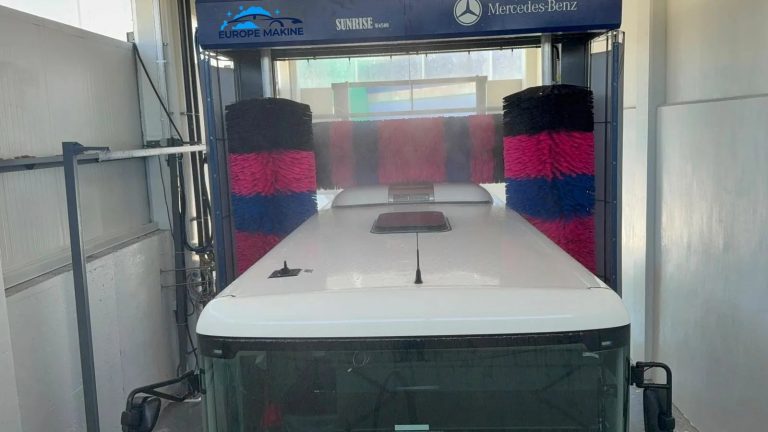
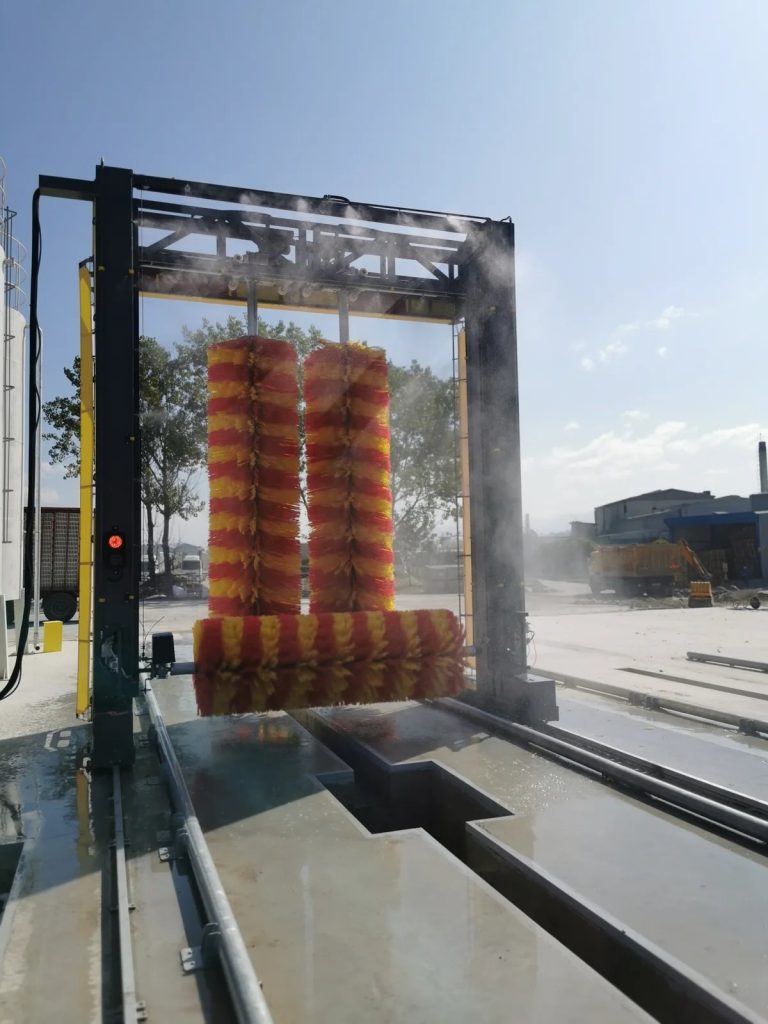
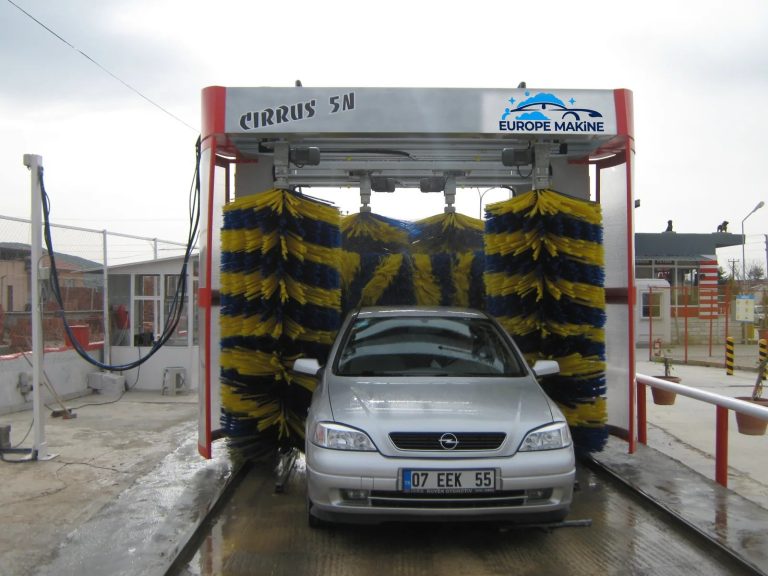
Europe Makine manufactures five wash systems: the Acrobat 2X touchless rollover, the Ephesus three-brush rollover, the Cirrus 5N five-brush rollover, a conveyor tunnel system, and the SUNRISE W4000/W4700 heavy vehicle wash. The published figure for the conveyor tunnel is 30 to 60 vehicles per hour, washed and dried. That is a throughput figure only and says nothing about ceramic revenue.
A ceramic step in a tunnel comes down to its chemical applicators and the product supplied through them. Which applicators a particular tunnel carries is something to settle with the equipment and chemical suppliers before the build, and this article does not promise any specific configuration.
For operators starting from a site rather than a machine, Europe Makine also builds turnkey car washes: it secures the site, clears permits, installs and calibrates the machines, hires and trains the crew, and hands over a running operation. Ali’s Car Wash in Ocala, Florida runs on Europe Makine machines, was built through that turnkey process and is open to the public.
The short version
A tunnel ceramic step is a layered chemical treatment applied to a car that has already been cleaned, followed by drying and a glass treatment. The visible result, water beading off the paint, is what you sell. Keep the menu short, describe the difference in plain words, and use pricing flexibility only where the customer can see the value. Word every claim only as far as your supplier’s documentation goes, check the step daily, and judge the tier by your own numbers.