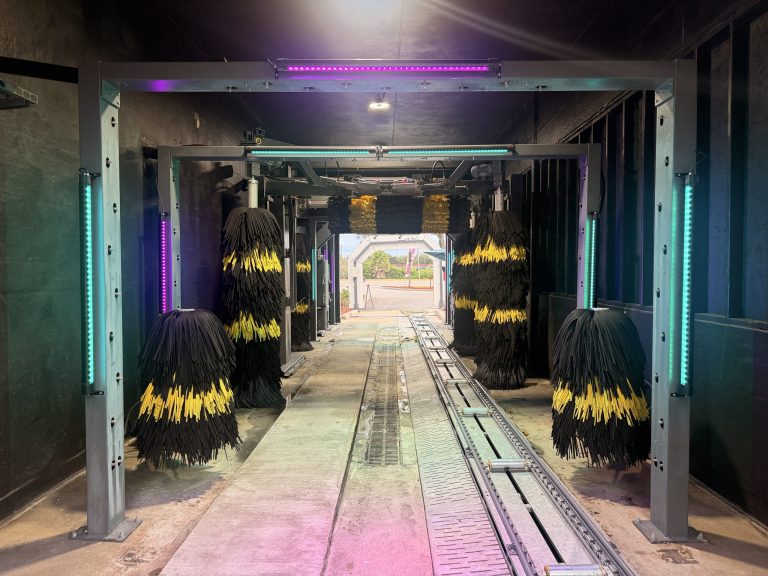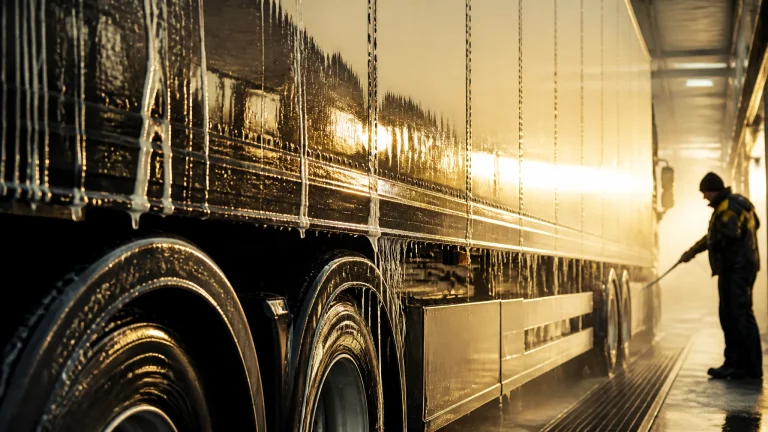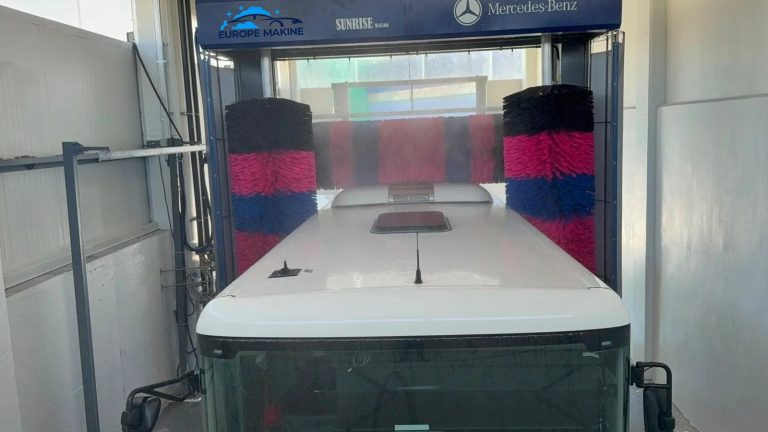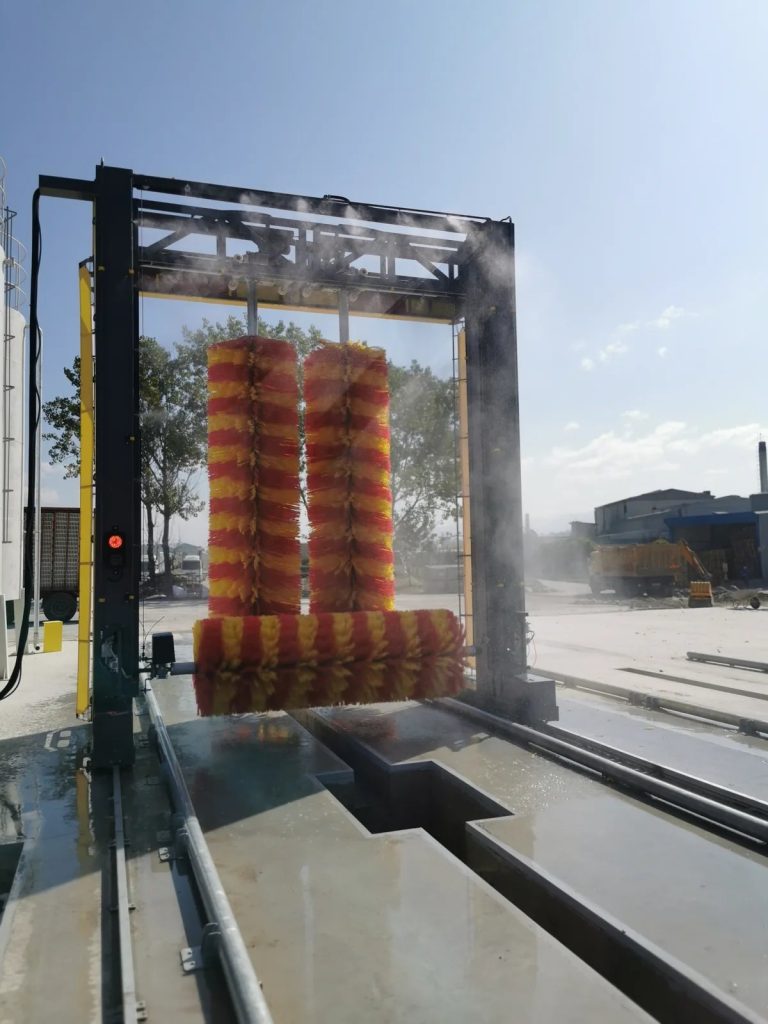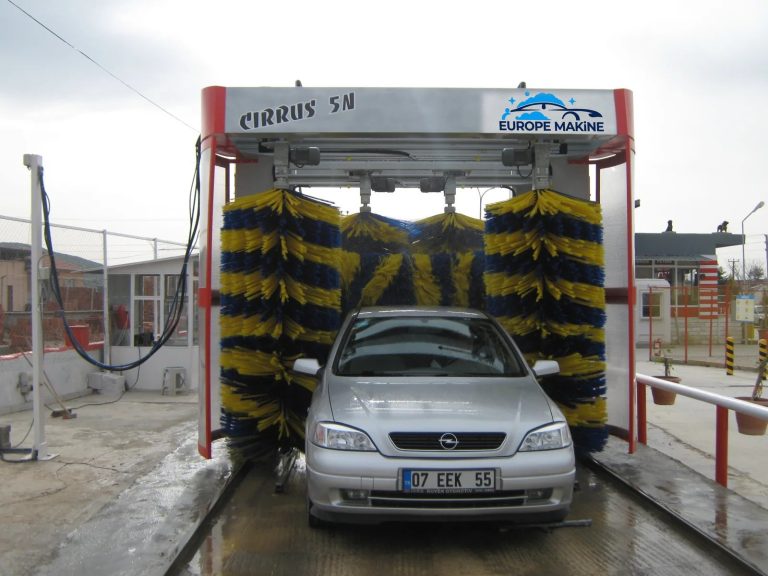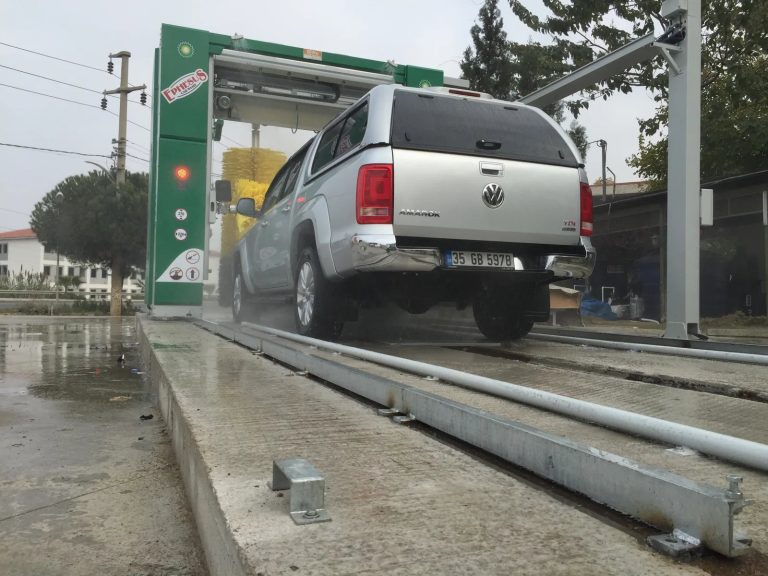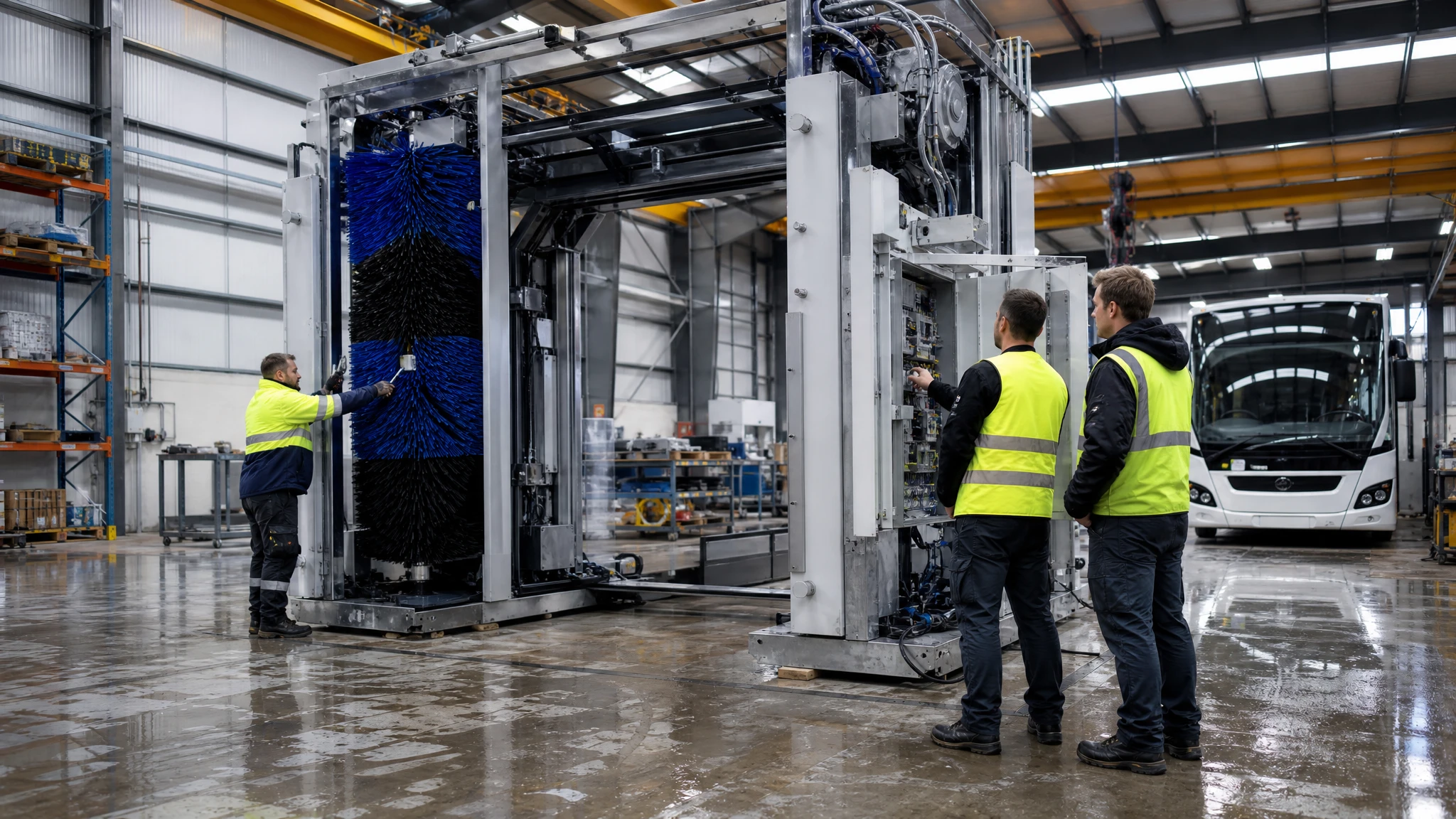
Before you sign a distributor agreement to carry a car wash equipment line, get clear answers on four things: how your territory is defined and protected, how fast the manufacturer supports a broken machine, how quickly parts actually arrive, and how your technicians get trained. A distributorship is a long-term operating commitment, not a one-off sale. If any of those four pillars is weak, you inherit the customer’s downtime and the manufacturer keeps the margin. This is the checklist to work through before you put your name to anything.
Territory: know exactly what you are being granted
Ask whether the grant is exclusive, non-exclusive, or a “primary area of responsibility”, and how the boundary is drawn. County lines, ZIP codes and customer type all behave differently in practice. A territory defined by retail tunnel accounts looks very different once a national fleet or a transit authority with sites in your patch comes into play.
The questions that protect you are the awkward ones. What happens if the manufacturer sells direct to a large account inside your area? What are the renewal and termination triggers, the notice periods, and your obligations to keep supplying parts and service after the agreement ends? Get all of it in writing. A verbal assurance about exclusivity is worth nothing when a second dealer appears three towns over.
Service support: who answers when a machine stops
Downtime is the real product you are selling against. A retail tunnel losing a Saturday is painful; a heavy-vehicle or depot wash going down idles a whole yard. Confirm the response-time commitment for emergency calls, and confirm it for the systems that hurt most when they stop.
Then pin down who pays. Ask how warranty labour is handled, who adjudicates a claim, and whether the manufacturer supports remote diagnostics on PLC-controlled tunnel and gantry systems. Remote access turns a two-day site visit into a phone call more often than owners expect. Point customers to the wider service picture with a solid maintenance schedule that keeps a wash open, but make sure the manufacturer stands behind the parts of that schedule you cannot do yourself.
Parts availability: lead times decide reputations
Wear parts and long-lead components are two separate conversations. Ask for typical lead times on brushes, seals, pumps and blowers, then ask separately about electrical and PLC parts, which can strand a machine for weeks if they ship from overseas. The decisive question is whether the manufacturer holds US-based inventory or drop-ships everything from the factory.
Established suppliers in this industry treat stocking as central to the role. The International Carwash Association’s partner directory lists suppliers described as stocking distributors for major OEMs, which is a fair benchmark for what “distributor” is supposed to mean here: parts on a shelf, not just a brochure. Also read the fine print on any minimum stocking requirement the agreement imposes on you, and who carries that inventory cost.
Training: for the machines you will actually service
Ask whether technician training is factory-based, on-site or virtual, how often it is refreshed for new lines, and whether it covers the heavy-vehicle and specialist systems as thoroughly as standard tunnels. Undercarriage wash and high-volume reclaim are not the same skill set as a basic gantry. Clarify whether training is bundled once into the agreement or billed every time you add a technician.
Read the fine print: is this a regulated agreement?
Some distributor arrangements fall under US Federal Trade Commission rules, which trigger disclosure obligations for the manufacturer. The Franchise Rule requires franchisors to give potential franchisees a disclosure document covering 23 specific items about the offer, its officers and other franchisees. Separately, the Business Opportunity Rule requires sellers to hand buyers a one-page disclosure at least seven days before any contract is signed or money changes hands. FTC guidance notes that a business opportunity can include paying money to own a dealership or distributorship. Ask the manufacturer directly whether its agreement is structured inside or outside these definitions, and take your own legal advice on the answer.
Can the line survive US compliance?
An equipment line only sells if it fits local discharge rules. The EPA’s pretreatment programme shows how broadly this reaches: an industrial user can be as simple as an automated, coin-operated car wash, and a facility becomes a significant industrial user subject to closer control once it discharges 25,000 gallons per day or more of process wastewater. For heavy-vehicle and rail work, the Transportation Equipment Cleaning effluent guidelines (40 CFR Part 442) cover interior cleaning of tank containers on trucks, rail cars, barges and ships. If you plan to sell into that world, confirm the manufacturer understands the framework and can support the customer’s compliance paperwork.
Reclaim is often the answer. The EPA’s WaterSense guidance links the driver and the mechanism: washes reclaim because of discharge limits, sewer fees and a desire to conserve, and field studies show brush or cloth equipment tends to use less water than spray-only systems. Ask whether the line’s reclaim and RO packages meet these expectations out of the box or need a costly local retrofit. Our own primer on water recycling in car washes is a useful thing to put in front of a hesitant customer.
On safety, OSHA classifies the business under SIC 7542 Carwashes and runs a formal alliance with the ICA focused on slips, trips and falls, hazard communication and vehicle-operation safety. Ask whether the manufacturer’s site design and training materials address those named hazards.
Financing the buy-in and staffing the sites
Equipment-heavy investments usually lean on the SBA. The 7(a) programme is SBA’s primary loan vehicle, can fund the purchase and installation of machinery, and runs to a maximum of $5 million. For larger fixed-asset purchases, the 504 programme offers long-term, fixed-rate financing up to $5.5 million. For staffing plans, the relevant federal wage benchmark is the BLS occupation 53-7061 Cleaners of Vehicles and Equipment. Pull current, area-specific figures from the OEWS tables directly rather than relying on secondhand numbers.
Where Europe Makine fits
Europe Makine manufactures five wash systems in its own facility and has more than 30 years of manufacturing behind it, with a US base in Greenacres, Florida, door-to-door delivery, free installation and a six-month warranty. It also builds and runs its own turnkey wash, Ali’s Car Wash in Ocala, so the distributor conversation is grounded in a line that is actually operating. If you are weighing a line, the same instincts help your customers choose well too, from touchless or brushes to rollover or tunnel. Ask hard questions on the four pillars first. The paperwork is easy once the answers are good.