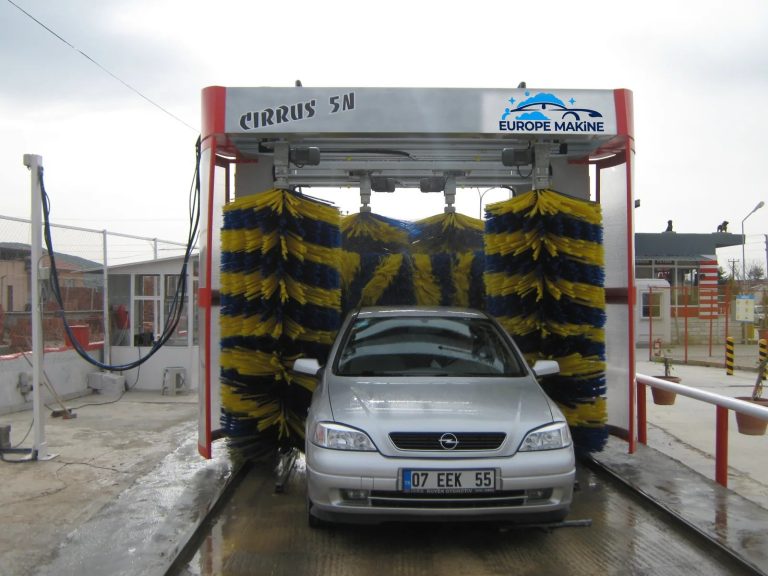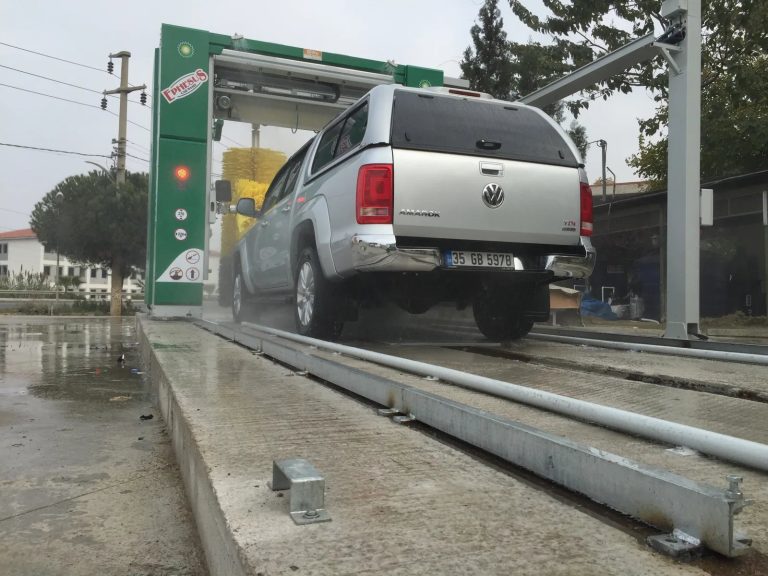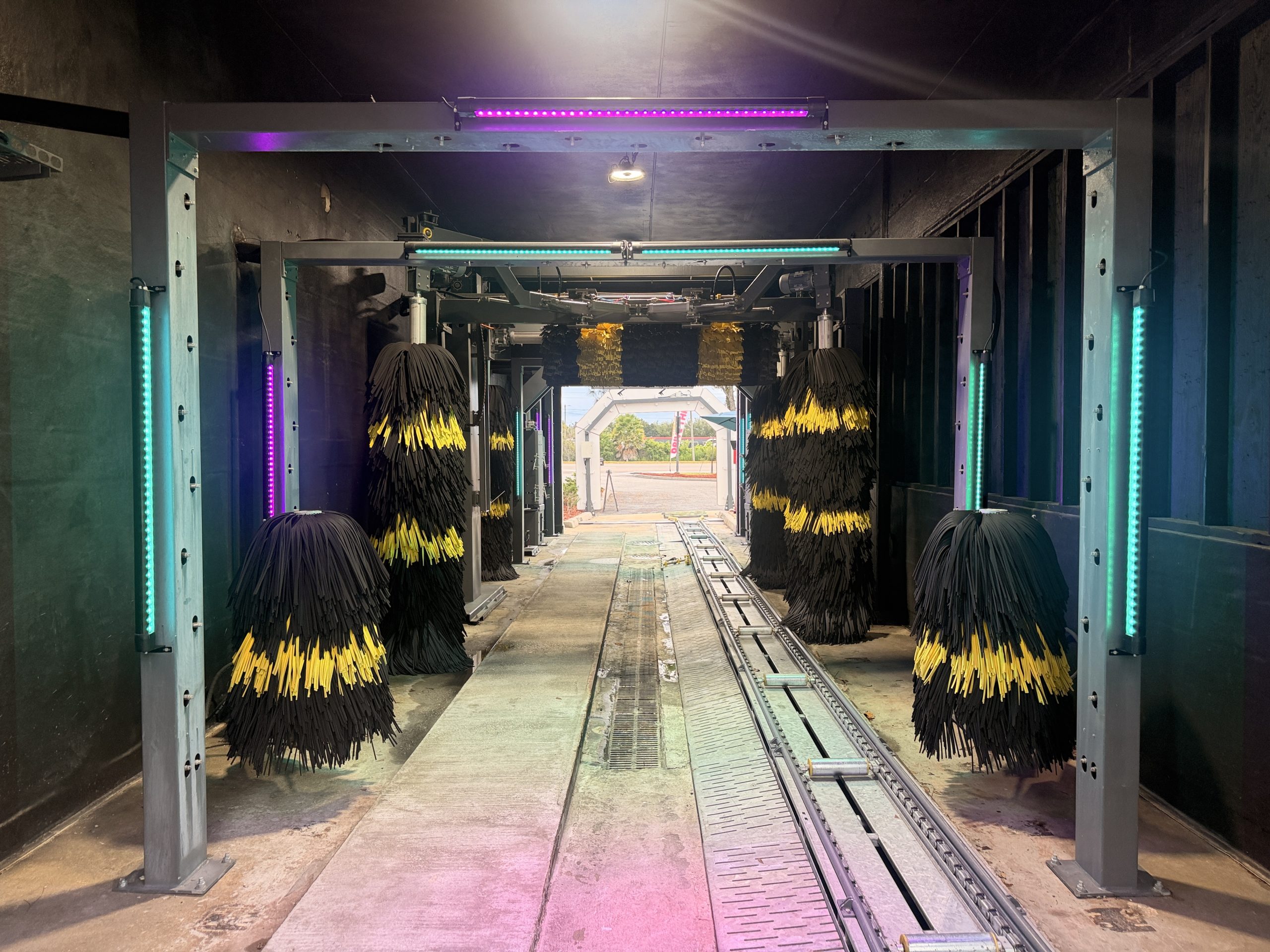
If you carry a wash-equipment line, the first sale is the easy one. You win it on specifications, delivery and price. The second sale, the repeat order from the same operator, the renewed maintenance contract, the referral to the next buyer, is won somewhere else entirely. It is won on whether you turned up to commission the machine, whether you held to a maintenance schedule, and whether you answered the phone when a bearing failed on a Saturday. Equipment service support is not an add-on to the deal. For a car wash operator it is a running compliance and labour cost, and the dealer who absorbs it in a credible way is the dealer who gets asked back.
This article is for dealers and distributors deciding how much service capability to build before they commit to a line. It sits alongside our note on what to look for before carrying an equipment line, and it looks at the same question from the owner’s side of the counter.
Downtime is where regulatory risk concentrates
The most expensive thing that goes wrong in a wash is not a failed pump. It is the moment someone opens a panel to fix that pump without controlling the energy first. OSHA’s frequently cited standards for the car wash industry (NAICS 811192) make the point plainly. Across federal inspections, the control of hazardous energy, lockout and tagout, is the single costliest citation category, well ahead of hazard communication and general requirements. OSHA’s cited-standard data for car washes shows lockout and tagout generating more in penalties than any other standard in the sector.
That matters to a dealer because lockout and tagout failures happen during maintenance. An operator whose staff improvise an energy-control procedure on your machine is carrying a risk that properly belongs to whoever understands the equipment best, which is you. OSHA has run a formal safety alliance with the International Carwash Association since 2005, and the ICA’s own industry resources point operators straight at the hazardous-energy guidance. A service contract that separates documented lockout and energy-control procedures from routine cleaning is a differentiated thing to sell. It answers a risk the operator already knows they have. This is the same ground covered in what PLC control means for a wash owner, where diagnostics reduce the number of times anyone has to open a live panel at all.
A maintenance contract is a water-compliance tool
The second reason service support earns the repeat sale is that a wash is a discharge point, not just a machine. More than 99 percent of professional car washes send their effluent to a sanitary sewer and a publicly owned treatment works, according to ICA research on water effluent characteristics, and the local treatment authority sets the limits that actually bind. Reclaim systems do not hold those limits on their own. EPA’s WaterSense at Work guidance for vehicle washing notes that reclamation systems need routine maintenance to clean filters and components, that shut-off valves have to be kept working, and that operators should run regular inspections for leaks.
EPA’s stormwater guidance for vehicle and equipment washing makes the cost case directly: regular maintenance and inspection can catch water or chemical leaks that would otherwise cost money in operating losses or fines. For a dealer, that reframes the service plan. Filter changes and chemical-compatibility checks are not a cosmetic upsell. They are the mechanism by which the operator stays inside the discharge limits their sewer authority enforces. Sell it that way. It is also worth reading alongside a maintenance schedule that keeps a wash open, which is the owner-side version of the same discipline.
The labour you absorb is a real, priced cost
When an operator says they will service the machine in-house, they are proposing to carry a labour cost that is rising. The broad wash-labour category, Cleaners of Vehicles and Equipment, employed 365,290 people at a mean hourly wage of around 17 dollars in BLS wage data for May 2023, but those are wash-line workers, not the skilled technicians who diagnose a control fault or set a drive. Qualified maintenance labour is scarcer and dearer, and recruiting, training and retaining it is a payroll problem most single-site operators would rather not own.
That is the quiet argument for a dealer-backed service contract. You are not selling convenience. You are selling the operator a way to avoid hiring and certifying a technician they may only need a few days a month. Put that cost avoidance in the proposal in plain numbers, against the annual cost of the contract. It is a more honest sale than a vague promise of “full support”.
Mirror the discipline fleet buyers already live under
If your line touches heavy-vehicle, transit or depot accounts, your customers already run their vehicles under contractual maintenance law and they think in those terms. Under FMCSA Part 396, every motor carrier must systematically inspect, repair and maintain the commercial vehicles under its control. Transit agencies work the same way: FTA guidance confirms that a service provider under contract to maintain grantee vehicles must abide by the terms of that contract, with defined scope and documented accounts.
A depot engineer who manages their fleet to that standard will not accept a generic car-wash service plan for the wash that cleans it. Write the wash-equipment contract in the language they recognise: defined scope, a fixed schedule, and clear accountability for response times. That alone separates you from a dealer who sells a box and disappears. Our pieces on keeping a depot wash working through winter and what a fleet should specify in a wash arrangement go further into what these buyers want on paper.
Put your service promise in writing
There is a useful parallel in franchise law. The FTC’s Franchise Rule compliance guide requires franchisors to furnish substantiated disclosure before a buyer signs, and the FTC has acted against a car wash franchisor for unsubstantiated earnings claims. The lesson is not that you are a franchisor. It is that if you promise uptime, response times or support during the sale, you should be able to document that promise in the maintenance contract, not just say it across the desk. Buyers are financing these machines for the long term. An operator using an SBA 504 loan is committing to equipment with a useful life of at least ten years. The servicing relationship, not the purchase price, is what decides whether that asset performs for the life of the loan. The questions buyers raise are set out in what to ask about warranty and service before buying a wash machine.
Where this leaves a dealer
The second sale is not a marketing problem. It is an operations one. Build three deliverables you can stand behind: commissioning on handover, a documented preventive-maintenance schedule, and a defined breakdown response time. Each maps to a real cost or risk the operator would otherwise carry alone. Europe Makine builds its machines, ships them with free installation and a 12-month warranty from its Greenacres base, and runs its own turnkey wash, Ali’s Car Wash in Ocala, on the same equipment, so the service story is one it lives rather than outsources. For a dealer deciding which line to carry, that is the test worth applying to any manufacturer: can you service what you sell, and can you prove it in writing.