A car wash conditional use permit is granted locally, usually after a public hearing, and what the board wants from you depends on your municipality’s zoning code. The federal and trade-body sources do not set hearing procedures, notice periods or standard conditions. What you can control is preparation: read your own code, find out what the neighbours are likely to worry about, answer the water question with evidence, and treat every condition you accept as something you will be held to after opening.
This article walks through the hearing in that order. It does not give a generic rule for notice, votes, hours or buffers, because there is none that applies everywhere. Where it cites figures, they come from named sources and are attributed to them.
The permit is local, so start with the code
Zoning is a local matter, with state rules layered over it. That means the first piece of research is not a national guide. It is your municipality’s zoning ordinance, the planning department’s application checklist and the minutes of recent hearings.
Ask the planning staff three plain questions before you spend money on drawings:
- Is a tunnel car wash permitted outright, permitted only with a conditional use permit, or not permitted in this zone?
- Is site plan approval a separate step, or is it reviewed together with the permit?
- Which body hears it (a planning board, a zoning board of appeals, a council), and what does it need to see in the application?
Staff can usually answer these in a short conversation. Their answers decide your timetable, your design budget and your order of work. If the answers are unclear, ask for them in writing so that you can point back to them later.
Conditional use permit and site plan approval: how they relate
The two terms are often confused, and municipalities handle them differently. As a working distinction:
- A conditional use permit is about whether the use is appropriate on this site at all, and on what terms.
- A site plan approval is about how the site is laid out: access, circulation, drainage, landscaping, lighting and buildings.
In some places the board decides both at one hearing. In others, the use is approved first and the detailed site plan follows, or the reverse. Do not assume. A use approval does not always mean the layout is settled, and a layout that has staff support does not always mean the use will be approved.
One practical consequence: the drawings you submit may become part of the approval. If the board approves the plan as shown, changes later may need to go back through review. Check with staff how your municipality treats minor changes before you commit to a layout that you might want to alter.
Before the hearing: the groundwork
The International Carwash Association (ICA) publishes a short guide for operators meeting local officials, Meeting with Local Policymakers. It is advocacy material, so treat its claims as ICA’s, but its advice on conduct is sensible and applies directly to a hearing. ICA says effective advocacy needs preparation, a clear message and professionalism.
Its tips, applied to a permit hearing, come to this:
- Introduce yourself and state your connection to the community. If you live or work locally, say so early.
- Do your homework and have your talking points ready. Read the staff report if one is published ahead of the hearing.
- Be concise and use plain language without jargon. A board member who does not know what a reclaim tank is will not ask, and will not vote for what they do not understand.
- Know your audience. Board members, staff and residents each want different things from you.
- Make it personal. Explain why you chose this site and this town.
- Address concerns by anticipating objections.
- Be respectful and professional, even if there is disagreement.
The last two matter most. Almost everything else in this article is a way of anticipating objections.
Read the application as a neighbour would
Before you file, walk the boundary of the site and stand where the nearest neighbours stand. Look at what they will see from their windows and gardens, where the entrance sits relative to their drive, and where water will run in heavy rain. Then read your own drawings and ask what a worried resident would circle.
You will find the weak points faster than any objector, and it is far better to fix them on paper than to defend them from a lectern.
Talk to neighbours before the notice arrives
Whether your municipality requires a pre-application meeting or a neighbour notice beyond the official one is a local question. Even where it is optional, a conversation before the hearing tends to turn vague fears into specific questions you can answer. Keep a simple record of who you spoke to and what they asked, so that you can say at the hearing what you heard and what you changed.
What neighbours tend to object to
No source in this research gives a ranked list of objections, so treat the following as a planning exercise rather than a finding. A tunnel wash is a visible commercial use with vehicles arriving all day, equipment that runs, and a lot of water. Residents will reasonably ask about what they can see, hear and be affected by:
- Water use and where the wash water goes.
- Runoff reaching local drains or streams.
- Cars queuing back onto the road.
- Noise from the tunnel, the dryers and the vacuums.
- Lighting and hours of operation.
- The look of the building and its effect on property values.
This article gives sourced material only for the water and runoff question, because that is where the research is strong. For the rest, noise, traffic, queuing and hours, no car-wash-specific standard was retrieved, so do not quote one. Instead, bring site-specific evidence: your own layout, your equipment’s published specifications, and any studies your engineer or acoustic consultant prepares for the site. Check your municipality’s code for any numerical limits that apply.
Water and runoff: the question to answer first
Water is the objection ICA itself uses as its example. Its guide advises being ready to explain why a professional car wash is more environmentally friendly than washing at home. You should be able to answer that in two or three plain sentences, and then answer the narrower question of where your site’s water goes.
Where the wash water goes
ICA’s study Water Effluent and Solid Waste Characteristics in the Professional Car Wash Industry states that 99% of professional car washes discharge to publicly owned treatment works (POTWs). ICA says routing effluent to the treatment works removes potential non-point-source pollutants from stormwater.
That is an industry claim, not a finding by the US Environmental Protection Agency (EPA), and you should present it that way. It is also an industry-wide figure. A board will care less about 99% across the industry than about the answer for your site: is there a sewer connection, who has confirmed capacity, and what does the utility require?
What the EPA says about washing and local rules
The EPA’s stormwater best management practice sheet on vehicle maintenance and washing (EPA-832-F-21-032F, February 2023) explains why boards ask. It says vehicle washing done improperly can release pollutants such as hydrocarbons and heavy metals to local waterways.
It also says municipalities can use local laws and ordinances to restrict vehicle washing. As an example, it cites a Fairfax County, Virginia ordinance that prohibits unpermitted commercial car wash water from entering the storm drain system.
You do not need to assume your town has an identical rule. The point is that stormwater and drainage are a legitimate and expected line of questioning. Arrive with a drainage plan that shows where wash water, rainwater and any spills would go, and be ready to say who has reviewed it.
Reclaim and conservation
If your design includes water reclamation, the board will want to hear it. The EPA’s WaterSense at Work section on vehicle washes lists the reasons facilities adopt it: wastewater discharge limits set by regulators, lower sewer discharge fees, and the owner’s wish to conserve freshwater.
The same document describes conveyor facilities as good candidates for reclamation, because they are typically staffed and have a larger equipment room. It reports a 2002 study in which conveyors averaged 34 gallons of fresh water per vehicle, and a 2018 study that found 30 gallons per vehicle. It adds that, according to ICA’s studies, reclamation can cut fresh water use by 50% up to as high as 83%.
Use these with care. They are averages from specific studies, not a promise about your machine, and you should not quote them as your site’s expected use. Your equipment supplier’s data for your configuration is the right figure to bring.
The EPA also notes that some water agencies incentivise or require reclaim systems. The examples it names are the San Antonio WaterSaver programme, the Denver Water Car Wash Certification Program and Georgia’s car wash certification requirement. It says some programmes give certified washes more flexibility to operate during drought. If your local water provider runs a similar scheme, a board may see enrolment as a sign of good faith, and may write it into a condition.
Presenting at the hearing
Formats vary: some boards allow a short presentation, others go straight to questions after staff have spoken. Ask in advance how long you will have and whether you can submit materials beforehand. Within whatever time you get, a simple order works well.
- Who you are and why this site. Two sentences, personal and specific.
- What is proposed. Describe the building, the tunnel, the entrance and exit, and the hours you are asking for, using the drawings the board already has.
- What you have done about the obvious concerns. Water, drainage, traffic, noise and lighting, each with what you have designed or committed to.
- What the neighbours told you. If you spoke to them, say what they raised and what changed as a result.
- What you will accept as conditions. Better to offer sensible ones than to have them imposed in a form that is hard to meet.
Keep the language plain. ICA’s advice to be concise and avoid jargon is the best single rule for the lectern. If you need to say something technical, say it once, then say what it means for the person living next door.
Economic points, used honestly
ICA’s guide gives three talking points: demand is high and growing, professional washes are environmentally responsible, and car washes strengthen local economies through jobs, tax revenue and customers from surrounding areas. It also provides figures, attributed to ICA’s Pulse Report:
- A new professional car wash creates between 5 and 20 local jobs, plus water and sewer revenue, property tax revenue and support for local organisations.
- ICA’s monetary estimates are $90,000 to $140,000 in local water and sewer revenue and $50,000 to $130,000 in local property taxes. A footnote describes them as simple averages of ranges.
- A survey found 91% of respondents agree car wash businesses are good for community members.
These are trade-association estimates, and the document does not make clear what period the money figures cover. If you use them, say they are ICA’s and that they are averages. Better still, replace them with your own numbers: how many people you will employ, what your own tax assessment is likely to be, and what you will spend locally. A board will trust a specific local figure from you more than a national range from a trade body.
Handling objections without arguing
Residents who speak at a hearing are often not against the car wash. They are worried about a particular thing, and they want to see that someone has heard them. ICA’s instruction to be respectful and professional even where there is disagreement is the right standard.
A few habits help:
- Answer the question that was asked. If a resident asks about runoff, do not reply with a speech about jobs.
- Concede what is true. If a concern is reasonable, say so and say what you will do about it.
- Do not promise what you cannot deliver. A commitment made under pressure becomes a condition, and a condition is enforceable.
- Do not compare your site to others you have not seen. Talk about your design and your commitments, not about other operators.
- Leave a way to follow up. Offer a named person for neighbours to contact if there is a problem after opening.
If an objector raises a point you cannot answer, say so and offer to come back with the answer in writing. The board will usually prefer that to a guess.
Reading the conditions before you accept them
If the board approves with conditions, those conditions are the real outcome of the hearing. No source retrieved for this article sets typical conditions, so what follows is a way of reading them, not a list of what to expect.
For each proposed condition, ask:
- Is it specific enough to measure? A condition with a number, a time or a named feature can be checked. A vague one can be argued about for years.
- Can you actually meet it with the design you have? If a condition relies on a feature that is not on the drawings, you either amend the plan or amend the condition.
- Who enforces it, and how? Ask whether it is checked at inspection, on complaint, or at a periodic review.
- Does it run with the land or with you? This affects what a future buyer inherits, and it is a question for your attorney.
- Does it conflict with another approval? For example, a drainage condition and a utility’s connection requirements should point the same way.
Where a water condition is on the table, the reclaim and certification schemes above may offer a ready-made way to meet it. Where it concerns anything else, work with your engineer and attorney to word the condition so that it is both enforceable and workable.
This article gives general information only, not legal advice, and it does not fill in a template for your application. The details of your municipality’s process are for your own attorney, engineer and planning staff.
The follow-up: operating as you said you would
The hearing is the start of a relationship with the neighbourhood, not the end of one. After approval, a few steps protect both your permit and your reputation.
- Put the conditions in one document. Keep the approval, the approved plans and the list of conditions together, and make sure the manager reads them.
- Match the build to the approved plans. If something has to change on site, check with staff before you build it, not after.
- Commission the systems as designed. If you told the board about reclaim, drainage or lighting, make sure they are working on day one, and keep the records.
- Keep your promises to neighbours. If you offered a contact person, a clean boundary or a particular behaviour at closing time, do it, and note that you did.
- Respond to complaints quickly and in writing. A small problem answered the same week rarely reaches the board again.
- Review before any change. New hours, new equipment or a changed layout may need a fresh look at the permit. Ask first.
ICA also lists a resource, Informing planning and permitting authorities about car wash development (2024), on its resources page. It is aimed at the officials who will be reading your application, so it is worth reading to see how the trade presents itself to them.
Where Europe Makine fits
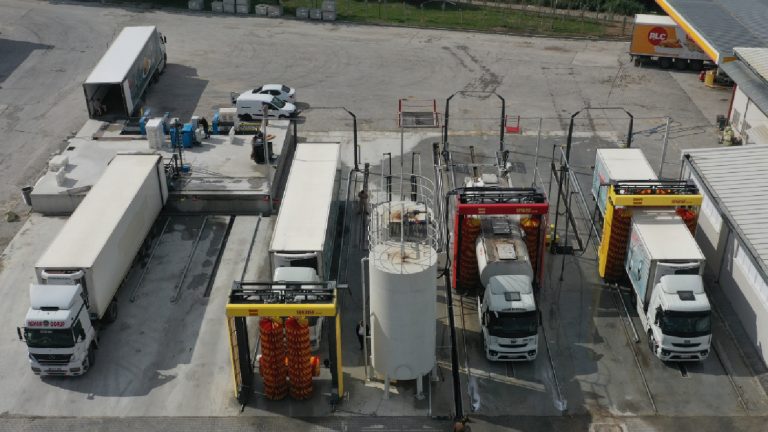
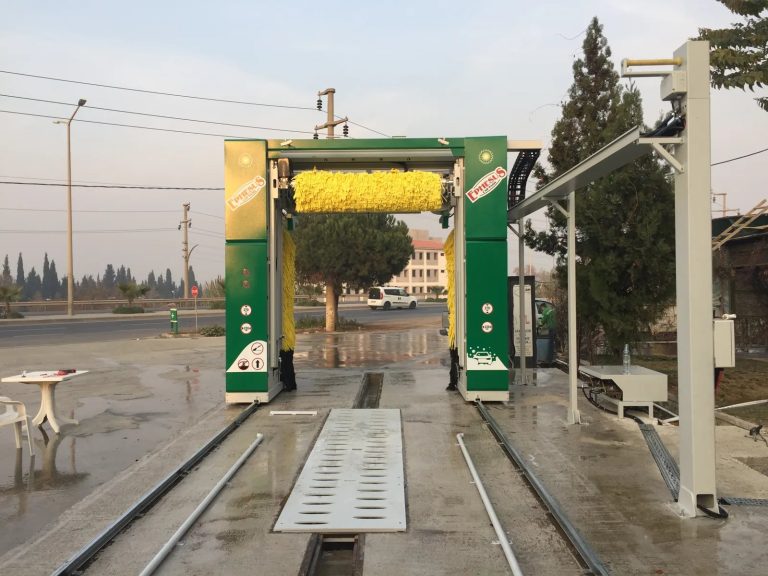
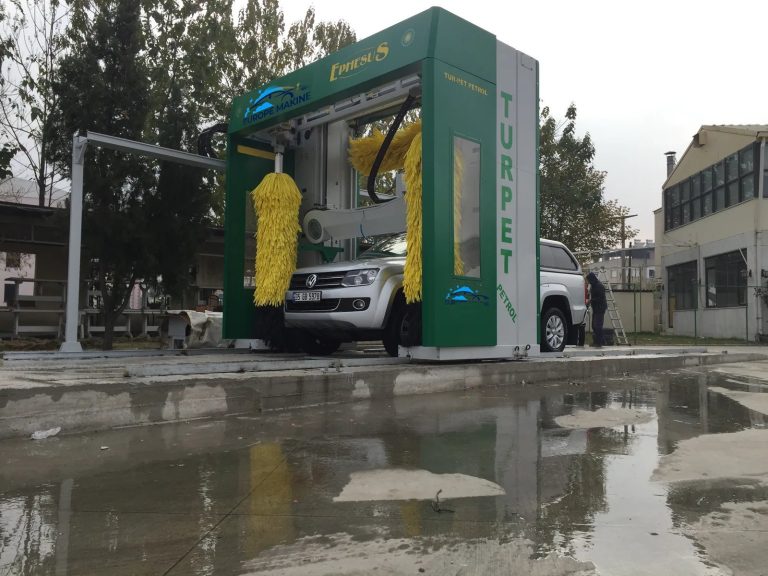
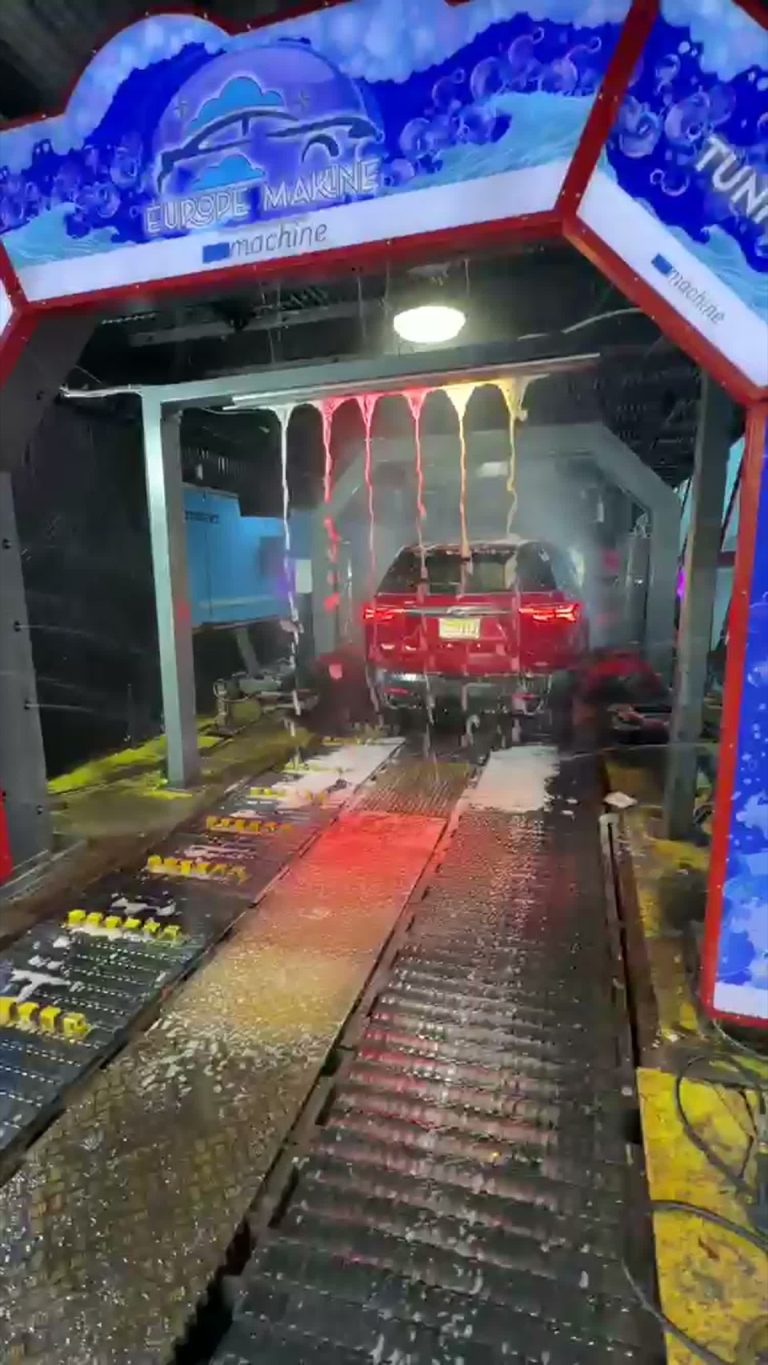
Europe Makine is a manufacturer of car wash systems with more than 30 years of experience, and it also builds turnkey car washes. In that service it secures the site, clears permits, installs and calibrates the machines, hires and trains the crew, and hands over a running operation. That makes the permit and hearing stage part of the project rather than a separate task. It does not mean approval can be guaranteed, because that decision belongs to your local board.
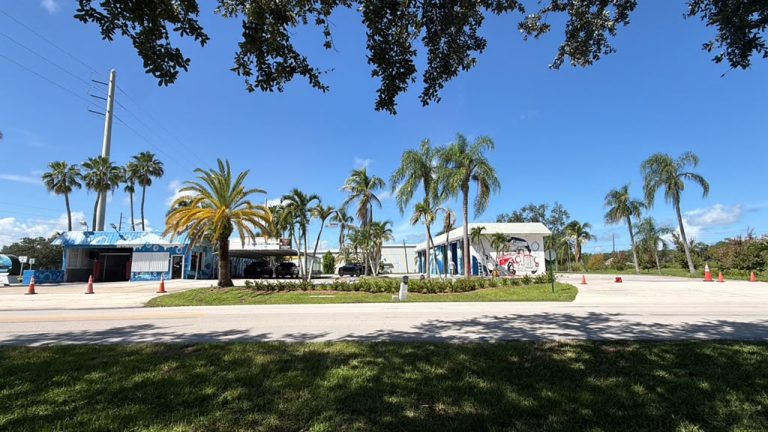
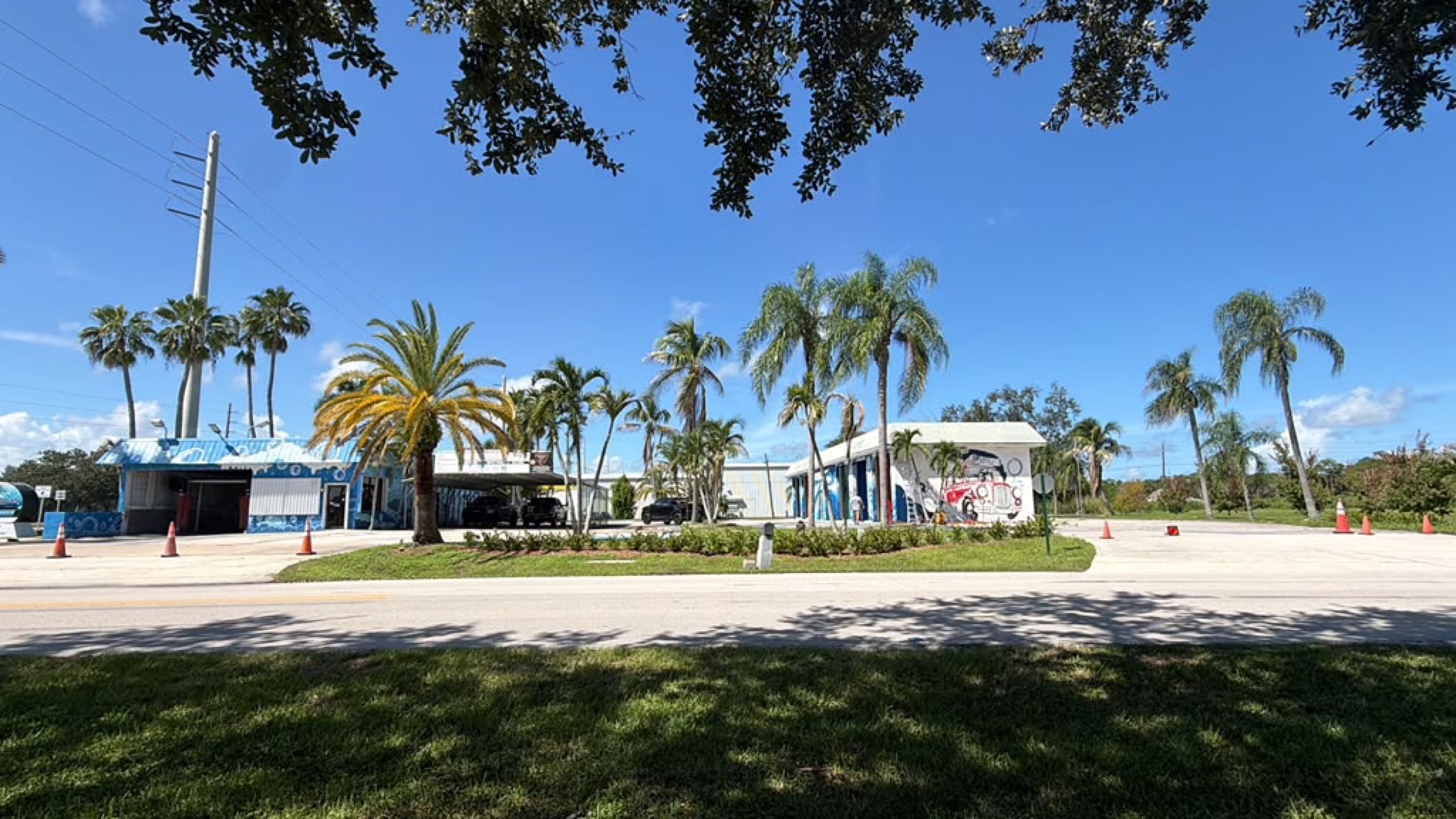
Ali’s Car Wash in Ocala, Florida runs on Europe Makine machines and was built through the same turnkey process. It is open to the public, so you can see how a finished site looks and operates before you present your own.
Summary
A conditional use permit hearing rewards the applicant who has read the local code, walked the boundary and prepared for the questions in advance. Water and runoff are the best-documented concern, and ICA and EPA material gives you sourced ground to stand on, provided you attribute it correctly and bring your own site data. Listen to the neighbours, accept only conditions you can meet, and then run the wash the way you said you would.