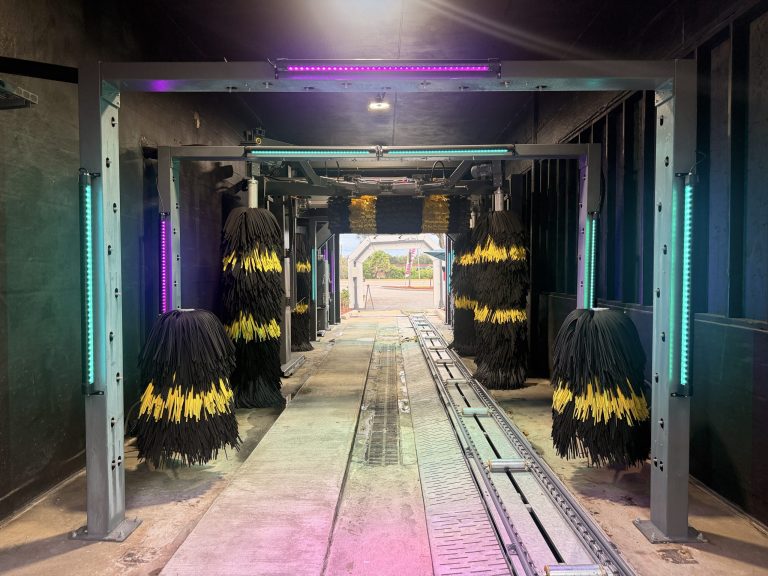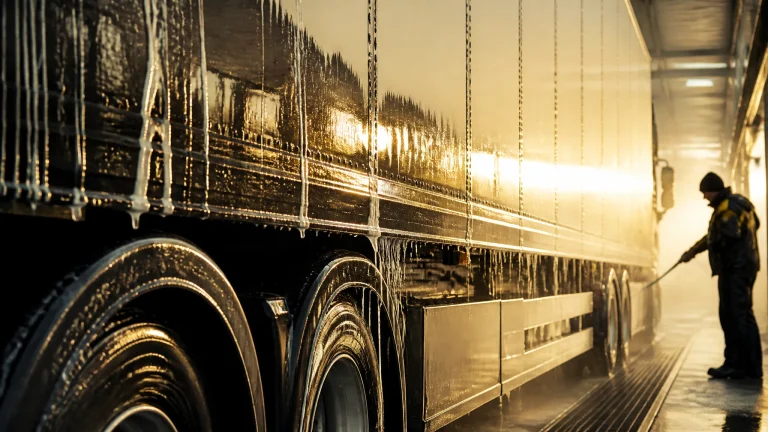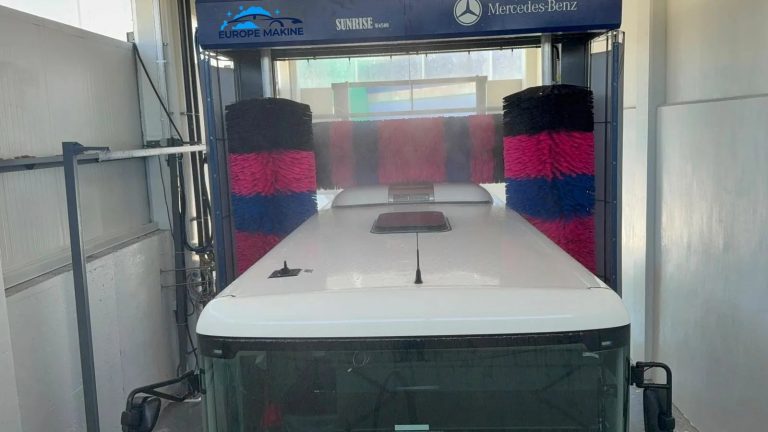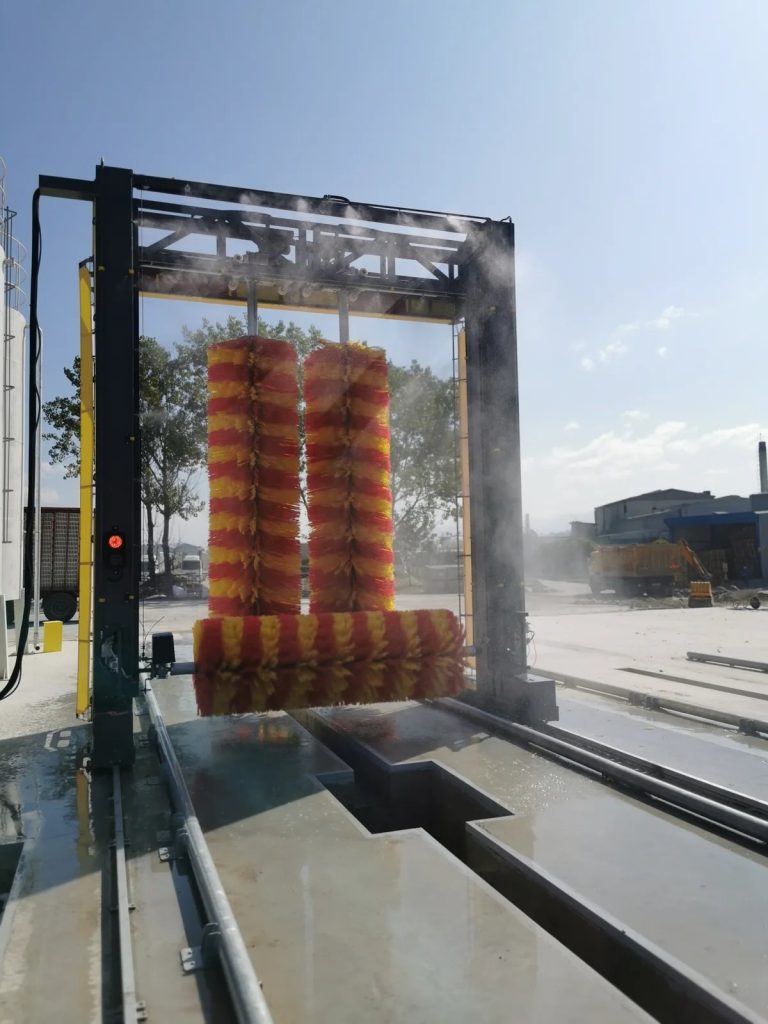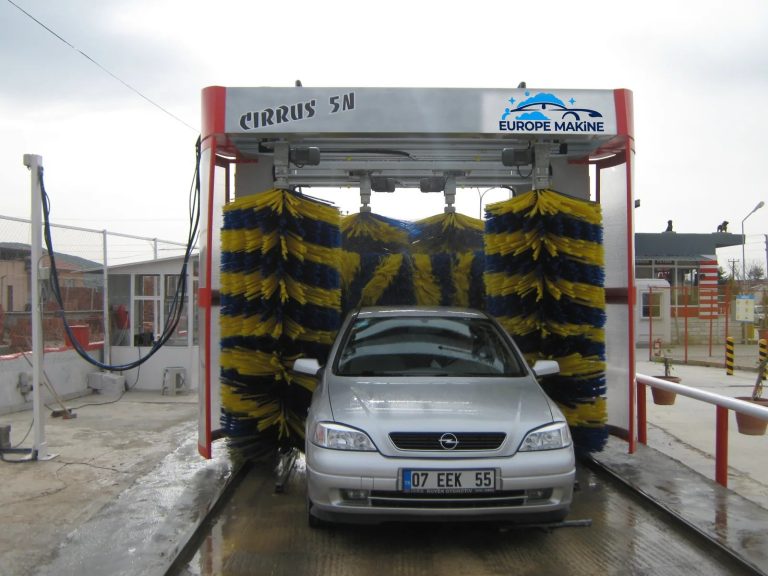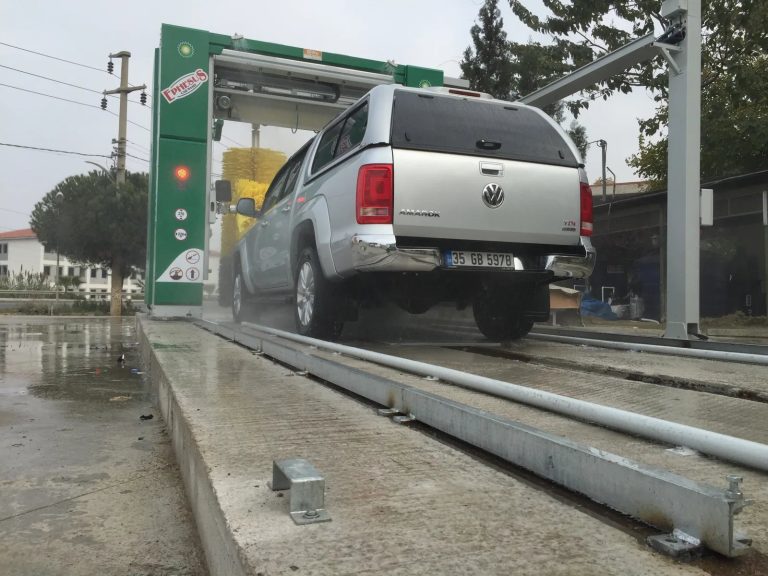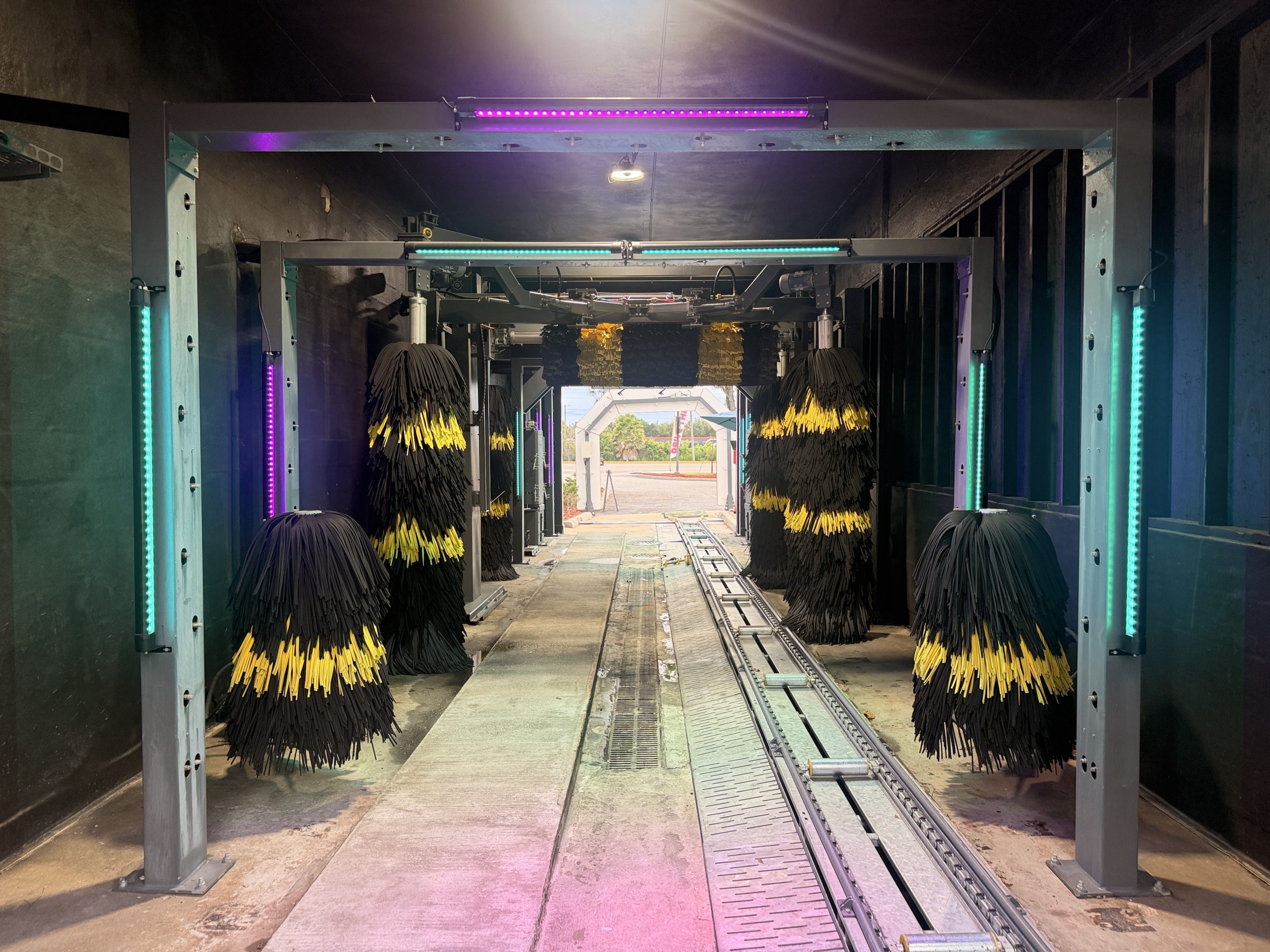
If you are siting a car wash close to houses, the three things most likely to cause friction are noise, lighting spill and opening hours. None of them is governed by a single national rule you can look up and comply with. In the US they are set locally, through zoning and permit conditions, which means the answers depend on the ordinance for your specific parcel. The practical move is to understand where the problems come from, then settle the details early with both your equipment supplier and the local planning authority before you commit to the site or the machine.
Where the noise actually comes from
A wash does not make one noise. It makes several, and they behave differently at a property line. It helps to treat three sources separately.
- Dryers and blowers. These are usually the loudest and the most tonal, and tonal noise is what neighbours notice and report. Blower discharge direction relative to the nearest home matters as much as raw output.
- Vacuums. At self-serve and tunnel forecourts, vacuum stations create intermittent peaks, and they often sit near the edge of the lot, closest to a boundary and a footpath.
- Pumps and compressors. These run continuously as background noise and are usually the easiest to contain inside a plant room.
Knowing which source dominates tells you where to spend effort. A quiet pump room does nothing for you if the blower discharge faces a back garden.
Why noise is a local question, not a federal number
There is no single federal decibel limit for a car wash. The Noise Control Act of 1972 set a national policy on noise and health, but it also placed primary responsibility for noise control with state and local governments. The EPA office that once handled noise was closed in 1981, after the view that noise issues were best handled at the state and local level. So the number that governs your site lives in a municipal ordinance, not a federal code.
Those ordinances vary in structure. As one illustrative example of how a limit can be written, an archived EPA digest describes a city setting lot-boundary limits of around 55 dBA for residential districts against 62 dBA for business districts, with more allowed in manufacturing zones (EPA Noise Facts Digest). Treat that as one city’s approach from an older reference, not a universal standard. The point is the shape of the rule: limits are often measured at the boundary and depend on the zoning of the neighbouring land. The federal land-use guidance that planning boards draw on describes the same toolkit they will use on you, including zoning, special-permit review of site plans, occupancy conditions and buffer distances.
The worker side of noise, which helps your case
Noise inside the building is regulated federally through workplace rules, and this is useful when you design the plant room. OSHA sets a permissible exposure limit of a 90 dBA eight-hour average, with a hearing conservation programme required at 85 dBA, and requires that feasible engineering controls, including enclosing equipment at the source, be used where exposure is too high. Car washes sit under OSHA’s carwash classification, SIC 7542. An enclosure that protects your staff is often the same enclosure that protects the boundary, so one measure can answer two authorities.
Lighting spill, and what planners actually measure
Light complaints usually come down to three things. Federal lighting guidance defines spill light that falls outside the intended area, glare seen directly at the source, and sky glow reflected into the atmosphere, and these are typically assessed from the boundary line. The same guidance sets illuminance ceilings that step down for darker, residential-adjacent zones, with a further post-curfew reduction at night. That reference is written for roadway lighting rather than car washes, so read it as the kind of metric a planner reaches for, not a car-wash code. The practical lesson still holds: aim light down and inward, shield fixtures at the boundary, and expect to be asked to dim or switch off display lighting after a set hour.
Opening hours are negotiated, not fixed
No national rule sets car wash hours. Near housing, hours are a local zoning or conditional-use matter, set in the same conversation as noise and lighting, and consistent with the local-control pattern above. Expect the authority to consider restricting early-morning and late-evening operation, or to require quieter running during those windows. If your revenue plan assumes long hours, confirm that assumption with the planning department before you sign for the site, not after. A busy site also has to move cars without them stacking onto a residential street, which is a planning concern in its own right and is worth thinking through alongside how the queue is laid out.
Water comes up in the same conversation
Discharge conditions are often bundled with noise and light. Many washes treat and reuse water partly because of discharge limits set by regulatory agencies and sewer fees. Local stormwater rules are strict about runoff: Fairfax County, Virginia, for instance, prohibits unpermitted commercial car wash water from entering the storm drain or streams. If the site serves heavy vehicles or anything involving tank interiors, federal effluent rules under 40 CFR Part 442 may also apply. Our wider notes on drainage and wastewater cover this in more depth.
What to raise early, and with whom
Split your questions between the two parties who can actually change the outcome.
Ask the equipment supplier
- Acoustic hood or enclosure options for dryers, blowers and pumps.
- Blower orientation and discharge direction relative to the nearest home.
- Vacuum motor specification and housing options.
- Whether the machine can run at reduced cycle or power during specified hours.
Ask the planning authority
- Whether there is a numeric noise limit measured at the boundary, or only a subjective nuisance standard.
- What lighting zone or dark-sky provisions apply to the parcel.
- Whether approval will be conditioned on opening hours or quieter equipment at specific times.
- What stormwater and discharge conditions come attached.
The industry body publishes material aimed at these conversations on its resources page, which is worth reviewing directly. Because every specific limit is local, confirm the exact ordinance text and the measurement method with the zoning department before you choose a machine, not after it is installed. Getting these answers in writing early also sharpens the questions you ask when signing a turnkey agreement.
Where Europe Makine fits
We build and install wash systems and we build complete turnkey washes, which means these siting questions are ones we deal with before the concrete is poured. Enclosure and blower orientation are decisions made at specification, and they are cheaper to get right then than to retrofit. If you are weighing a residential-adjacent site, it is worth putting the noise, light and hours questions to your supplier and your planners at the same time, so the machine you order matches the permit you can actually get.